Call us now :08045803355
 Send Inquiry
 Send Inquiry
Fiber Reinforced Plastic Pipe
MOQ : 1000 Pieces
Fiber Reinforced Plastic Pipe Specification
- Thread Type
- BSP/NPT (where applicable)
- Bend Radius
- As per diameter, typically pipe diameter x10
- Yield Strength
- 120 MPa
- Diameter
- Varies from 100 mm to 2000 mm
- Flexibility
- Medium
- Tolerance
- 2%
- Connection Type
- Flange/Socket/Threaded
- Tensile Strength
- 40 MPa
- Sealing Type
- Rubber gasket, Adhesive bond
- Product Type
- Pipe
- Material
- Fiber Reinforced Plastic (FRP)
- Connection
- Flanged, Socket and Spigot
- Shape
- Cylindrical
- Standard
- ASTM, ISO
- Outer Diameter
- 100 mm to 2000 mm
- Section Shape
- Round
- Length
- Up to 12 meters
- Thickness
- 5 mm to 25 mm
- Color
- Grey
- Rated Pressure
- Up to 10 Bar
- Material Grade
- Industrial Grade
- Application
- Industrial piping, Sewage, Water Transmission
- Abrasion Resistance
- Excellent
- Flow Rate Capacity
- High
- Electrical Insulation
- Excellent
- UV Resistance
- High
- Chemical Resistance
- Highly resistant to acids, alkalis, and solvents
- Life Span
- Over 25 years
- Hydraulic Efficiency
- Low friction loss
- Impact Strength
- Superior
- Weight
- Lightweight compared to metal pipes
Fiber Reinforced Plastic Pipe Trade Information
- Minimum Order Quantity
- 1000 Pieces
- Supply Ability
- 50 Pieces Per Week
- Delivery Time
- 5-7 Days
- Sample Available
- Yes
- Sample Policy
- Free samples are available
- Packaging Details
- polythene packing
- Main Domestic Market
- All India
About Fiber Reinforced Plastic Pipe
In order to cater to the diverse needs of different clients, we make available a broad range of Fiber Reinforced Plastic Pipe in various sizes, diameters and thicknesses to choose from. Manufactured by incorporating filament wound technology and premium grade fiber-reinforced plastics, these pipes are broadly appreciated for their corrosion resistance, light weight and high strength. Widely used for application like farm irrigation, house service connections, effluent & chemical conveyance, our Fiber Reinforced Plastic Pipe are available up to 4000 mm diameters. We offer these pipes to our clients at reasonable prices
'' We Are Mainly Dealing In Mumbai & Maharashtra ''
Durability that Stands the Test of Time
FRP pipes are crafted for endurance and reliability in the harshest environments. Their superior abrasion, chemical, and UV resistance ensures a long operational life, often exceeding 25 years, minimizing maintenance needs and lifecycle costs. The pipes maintain their structural integrity even under high pressure and challenging conditions.
Lightweight and Efficient Installation
Weighing significantly less than metal alternatives, FRP pipes simplify transportation and installation processes, reducing labor and equipment requirements. The medium flexibility and versatile connection options allow for adaptation to complex layouts, yielding time-saving and cost-effective project execution.
Unmatched Hydraulic and Insulating Performance
With low friction loss for optimal flow rates and excellent electrical insulation properties, FRP pipes deliver both efficiency and safety. They excel in demanding settings like water transmission, sewage, and industrial pipelines, where uninterrupted, contamination-free flow and electrical safety are imperative.
FAQs of Fiber Reinforced Plastic Pipe:
Q: How are fiber reinforced plastic pipes installed for industrial applications?
A: FRP pipes are typically installed using flange, socket, or threaded connections based on project requirements. Secure sealing is achieved via rubber gaskets or adhesive bonding. Their lightweight nature allows for easier handling, reducing installation time and the need for heavy lifting equipment.Q: What makes FRP pipes beneficial over traditional metal pipes?
A: FRP pipes are advantageous due to their high chemical, abrasion, and UV resistance, as well as lighter weight, excellent electrical insulation, and high flow capacity. These attributes result in longer lifespan, reduced maintenance, and increased safety compared to metal pipes.Q: Where are FRP pipes commonly used and why?
A: These pipes are widely used in industrial piping systems, sewage treatment, and water transmission projects in India. Their chemical resistance and durability make them ideal for transporting aggressive fluids and operating in harsh environmental conditions.Q: What is the process of fabricating FRP pipes to industrial standards?
A: FRP pipes are manufactured according to ASTM and ISO standards, using a combination of industrial-grade resins and reinforcing fibers. The process ensures consistent wall thickness, strength (40 MPa tensile, 120 MPa yield), and precise diameter tolerance of 2%.Q: When should FRP pipes be considered instead of other materials?
A: FRP pipes are recommended when the application demands high corrosion resistance, minimal maintenance, lightweight handling, and long lifesuch as in chemical industries, wastewater management, and water supply lines.Q: How do FRP pipes ensure efficient fluid flow and longevity?
A: With their smooth internal surface and low friction coefficient, FRP pipes minimize hydraulic losses and support high flow rates. Their robust construction resists degradation from chemicals and environmental exposure, ensuring operational efficiency for over 25 years.
Tell us about your requirement

Price:
Quantity
Select Unit
- 50
- 100
- 200
- 250
- 500
- 1000+
Additional detail
Mobile number
Email

More Products in Plastic Pipes Category
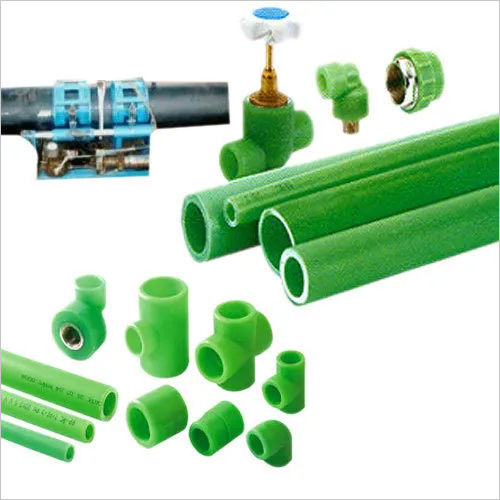
PPRC Pipes
Price Range 50000.00 - 500000.00 INR / Meter
Minimum Order Quantity : 1000
Length : 4 meters
Outer Diameter : 20 mm to 160 mm
Diameter : 20 mm to 160 mm
Yield Strength : 22 MPa

"We are mainly dealing in Mumbai & Maharashtra"
 Send Inquiry
Our Products
- Industrial Storage Tanks
- wire pickling plant
- Scrubber System
- Industrial Air Blowers
- DYNAMIC BALANCING AND ENGINEERING WORKS
- Plastic Pipes
- Laboratory Equipments
- Dynamic Balancing
- PP FRP Reactor
- Fume Hood
- PP Pipe Line Fabrication
- Chemical Scrubbers
- Plastic Fittings
- PP Pumps
- Plastic Piping
- Industrial Chimneys
- HDPE Pipe
- Impeller Dynamic Balancing
- Machine Shaft
- Venturi Pump
- MS Ducts
- Blower Balancing Services
- Industrial Centrifuge Machine


Factory : W-66/B, Lupin Chemical Road, M.I.D.C. Tarapur, Dist.,Boisar - 401506, Maharashtra, India

Mr. Shailesh Gharat
Mobile :08045803355
Mr Shailesh S Gharat
(Proprietor)
Mobile :08045803355
 Send Inquiry
 Send SMS
Developed and Managed by Infocom Network Private Limited.
