
Call us now :08045803355
 Send Inquiry
 Send Inquiry
Chemical Pumps
MOQ : 1 Piece
Chemical Pumps Specification
- Features
- Corrosion Resistant, Leak-proof, High Efficiency
- Discharge Pressure
- Up to 4 bar
- Head Size
- 15-40 m
- Flow Rate
- 20-100 L/min
- Theory
- Centrifugal Pump
- Mounting Type
- Horizontal
- Frequency
- 50/60 Hz
- Control System
- Manual/Automatic
- Max Suction
- 7 m
- Voltage
- 220V/380V
- Speed
- 2800 rpm
- Noise Level
- 72 dB
- Caliber
- 25-65 mm
- Inlet/Outlet
- 25mm/25mm
- Working Temperature
- -10C to 80C
- Material
- PP, SS, PVDF
- Structure
- Single Stage
- Power
- 0.37 kW - 5.5 kW
- Standard
- ISO / CE
- Fuel Type
- Electric
- Pressure
- 1-4 bar
- Usage
- Chemical Transfer
- Application
- Chemical Industry, Pharmaceuticals, Water Treatment
- Suction Type
- Single Suction
- Seals Type
- Mechanical Seal
- Priming
- Self-Priming
- Pump Type
- Chemical Centrifugal Pump
- Capacity
- Up to 35 m/h
- Protection Class
- IP55
- Ambient Temperature
- 40C
- Surface Finish
- Smooth, chemical-proof
- Service Life
- 20000 hr
- Leakage
- Zero/Low Leakage Design
- Weight
- 15-85 kg
- Impeller Material
- PP / Stainless Steel / PVDF
- Max Viscosity
- Up to 200 cP
- Connection Type
- Flange / Threaded
- Rotation Direction
- Clockwise/Counter-Clockwise
- Installation
- Easy to install, maintenance friendly
- Temperature Range
- -10C to 80C
Chemical Pumps Trade Information
- Minimum Order Quantity
- 1 Piece
- Supply Ability
- 50 Pieces Per Week
- Delivery Time
- 5-7 Days
- Sample Available
- Yes
- Sample Policy
- Free samples are available
- Packaging Details
- polythene packing
- Main Domestic Market
- All India
About Chemical Pumps
We are able to present in rendering a premium range of Chemical Pumps. These are featured for its non-clogging tendency, less noise and no vibration. These pumps are made with a superior grade of raw materials and progressive tools. Provided pumps are easily flexible and durable in nature. Chemical Pumps are highly efficient to work in a reliable manner. It is fitted with a dynamic motor which work in all the harsh environment.
Durable Construction for Demanding Applications
Choose from impeller materials such as polypropylene (PP), stainless steel (SS), or PVDF, ensuring optimal compatibility with a variety of chemicals. These pumps are engineered to handle challenging environments, featuring IP55 protection, corrosion-resistant finishes, and robust mechanical seals for lasting performance. The versatile connection options (flanged or threaded) allow flexible integration into existing systems.
Superior Performance and User-Friendly Design
With a self-priming capability and single suction design, these pumps offer easy installation and reliable chemical transfer even with viscous fluids up to 200 cP. Operating quietly at 72 dB and maintaining zero to minimal leakage, the pumps promote a safe, clean workspace. Their efficient centrifugal theory enables high flow rates and precise head control, streamlining your process requirements.
Designed for Versatility and Low Maintenance
Serving industries such as chemical processing, pharmaceuticals, and water treatment, these pumps boast a service life exceeding 20,000 hours and are structured for straightforward maintenance. Operating in ambients up to 40C and within a temperature window from -10C to 80C, their proven dependability accommodates strict industrial standards and continuous operation.
FAQs of Chemical Pumps:
Q: How do these chemical pumps ensure resistance to aggressive chemicals?
A: The pumps feature impellers and wetted parts crafted from polypropylene (PP), stainless steel, or PVDF, all renowned for their superior chemical resistance. This allows safe and reliable transfer of acids, alkalis, solvents, and other corrosive fluids without material degradation, making them ideal for harsh industrial environments.Q: What is the typical process for installing and maintaining these pumps?
A: Installation is straightforward due to user-friendly horizontal mounting and simple connection options (flange or threaded). Routine maintenance is minimal, thanks to the smooth, chemical-proof surface and mechanical seal design, which enables easy inspection and reduces servicing intervals. Regular checks and scheduled seal replacements are recommended for optimal longevity.Q: Where are these pumps commonly used, and what industries benefit the most?
A: These pumps are widely used in the chemical industry, pharmaceuticals, and water treatment plants across India. Their corrosion resistance, leak-proof structure, and adaptability to varied chemical processes make them essential for manufacturing, laboratory, and industrial fluid handling applications.Q: When should I select a self-priming chemical pump?
A: A self-priming pump is ideal if your application requires handling fluids that may not always be present at the inlet or if the pump is positioned above the fluid source. It allows convenient startup and continuous operation without manual priming, saving operational time and effort.Q: What advantages does the IP55 protection class offer in harsh working environments?
A: The IP55 rating provides robust protection against dust ingress and low-pressure jets of water, ensuring the internal components remain safe and operational in dusty or moist industrial areas. This extends pump life, reduces downtime, and supports reliable 24/7 operation.Q: How does the pumps low or zero-leakage design benefit my facility?
A: Zero or low leakage ensures hazardous chemicals are securely contained, protecting workers and equipment from accidental spills or exposure. This design also preserves valuable process fluids, enhances workplace safety, and reduces clean-up and maintenance costs.Q: What is the maximum fluid viscosity these pumps can handle, and how does it impact performance?
A: These pumps are capable of handling fluids with viscosities up to 200 cP. This versatility enables efficient transfer of not just thin, but moderately viscous solutions, maintaining high flow rates and stable pressure, crucial for a variety of chemical processing tasks.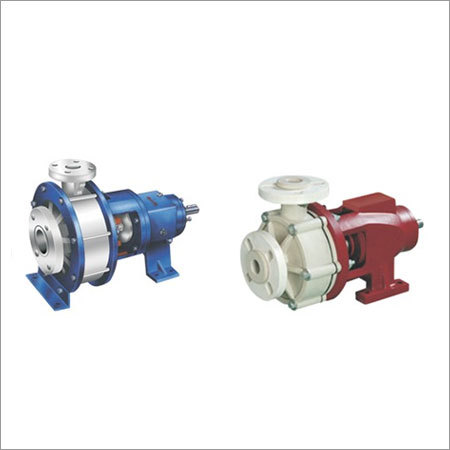
Tell us about your requirement

Price:
Quantity
Select Unit
- 50
- 100
- 200
- 250
- 500
- 1000+
Additional detail
Mobile number
Email


"We are mainly dealing in Mumbai & Maharashtra"
 Send Inquiry
Our Products
- Industrial Storage Tanks
- wire pickling plant
- Scrubber System
- Industrial Air Blowers
- DYNAMIC BALANCING AND ENGINEERING WORKS
- Plastic Pipes
- Laboratory Equipments
- Dynamic Balancing
- PP FRP Reactor
- Fume Hood
- PP Pipe Line Fabrication
- Chemical Scrubbers
- Plastic Fittings
- PP Pumps
- Plastic Piping
- Industrial Chimneys
- HDPE Pipe
- Impeller Dynamic Balancing
- Machine Shaft
- Venturi Pump
- MS Ducts
- Blower Balancing Services
- Industrial Centrifuge Machine


Factory : W-66/B, Lupin Chemical Road, M.I.D.C. Tarapur, Dist.,Boisar - 401506, Maharashtra, India

Mr. Shailesh Gharat
Mobile :08045803355
Mr Shailesh S Gharat
(Proprietor)
Mobile :08045803355
 Send Inquiry
 Send SMS
Developed and Managed by Infocom Network Private Limited.
