
Call us now :08045803355
 Send Inquiry
 Send Inquiry
PPRC Pipes
PPRC Pipes Specification
- Temperature Range
- -20C to +95C
- Bend Radius
- 5x Outer Diameter
- Sealing Type
- Heat Fusion Sealing
- Flexibility
- Medium
- Coating Type
- Uncoated
- Connection Type
- Welded, Fused
- Tolerance
- 0.3 mm
- Tensile Strength
- 25 MPa
- Yield Strength
- 22 MPa
- Diameter
- 20 mm to 160 mm
- Thread Type
- Not Applicable (for socket fusion)
- Product Type
- PPRC Pipes
- Material
- Polypropylene Random Copolymer (PPRC)
- Connection
- Socket Fusion, Butt Fusion
- Shape
- Round
- Standard
- DIN 8077/8078
- Surface Treatment
- Plain
- Outer Diameter
- 20 mm to 160 mm
- Section Shape
- Circular
- Length
- 4 meters
- Thickness
- 2 mm to 10 mm
- Color
- Green
- Usage
- Hot and Cold Water Supply
- Rated Pressure
- PN10, PN16, PN20
- Material Grade
- Type 3
- Application
- Plumbing, Industrial Piping, Water Supply
- Density
- 0.90 g/cm³
- Corrosion Resistance
- Excellent
- Food Grade
- Yes
- Life Expectancy
- Over 50 Years
- UV Resistance
- Limited
- Installation Method
- Heat Welding
- Thermal Conductivity
- 0.22 W/mK
- Impact Strength
- High
- Flame Retardant
- No
- Recyclable
- Yes
PPRC Pipes Trade Information
- Minimum Order Quantity
- 1000 Meter
- Supply Ability
- 50 Per Week
- Delivery Time
- 5-7 Days
- Sample Available
- Yes
- Sample Policy
- Free samples are available
- Packaging Details
- polythene packing
- Main Domestic Market
- All India
About PPRC Pipes
Our firm is instrumental in manufacturing a wide array of PPRC Pipes. These are fabricated with a superior grade of material. These pipes are directly procured from the certified vendors of the market. Provided pipes are highly effective and easy to weld. PPRC Pipes are well known for its easy fitting and resistant to chemical. It is able to withstand in a high pressure without facing any breaking. It can replace and repair.
Outstanding Durability and Corrosion Resistance
PPRC pipes are engineered to resist corrosion exceptionally well, providing a solution that lasts over 50 years in demanding conditions. Their resistance to chemical reactions and high impact strength ensure a robust piping network ideal for both industrial and residential installations.
Seamless Installation with Heat Welding
Heat welding (socket fusion and butt fusion) is the recommended installation method for these pipes. This process forms strong, homogeneous joints, reducing leak risks and ensuring longevity. Installation is straightforward for professionals, resulting in efficient and reliable plumbing systems.
Reliable Performance in Extreme Conditions
With a temperature tolerance from -20C to +95C and a rated pressure of PN10 to PN20, these pipes accommodate a wide range of water supply and industrial applications. Their medium flexibility and plain, uncoated surfaces contribute to dependable service in various environments.
FAQs of PPRC Pipes:
Q: How are PPRC pipes with UV resistance and excellent corrosion resistance installed?
A: Installation is achieved via heat welding, which includes socket fusion or butt fusion methods. This process uses thermal energy to seamlessly join pipe sections, creating durable, leak-proof connections without the need for threads or adhesives.Q: What are the primary benefits of using PPRC pipes in water supply systems?
A: These pipes offer outstanding corrosion resistance, high impact strength, food-grade certification, and a lifespan exceeding 50 years. Their resistance to scale, rust, and chemical degradation ensures safe, hygienic water flow for both hot and cold supply.Q: When should I choose PPRC pipes with a PN10, PN16, or PN20 pressure rating?
A: You should select the pressure rating based on the systems operational requirementsPN10 for standard domestic plumbing, PN16 and PN20 for higher-pressure or industrial applications. Always align the pipe specification with the projects demands.Q: Where are these PPRC pipes commonly used in India?
A: They are widely utilized in residential plumbing, industrial piping systems, and water supply networks across India, owing to their durability, food-grade quality, and reliability under various pressure and temperature conditions.Q: What is the process for joining PPRC pipes, and why is it preferred?
A: The pipes are joined using heat fusion techniqueseither socket fusion or butt fusion. This process is favored for producing strong, monolithic joints that are resistant to leaks, corrosion, and mechanical stress, extending system life and integrity.Q: Can these pipes be used for both hot and cold water applications?
A: Yes, PPRC pipes are specifically designed to handle temperatures ranging from -20C to +95C, making them ideal for both hot and cold water distribution in residential, commercial, and industrial settings.Q: What environmental and safety advantages do these pipes offer?
A: These pipes are fully recyclable, non-toxic, and food-grade certified, contributing to sustainability and safety. Their medium flexibility aids installation, and they have a plain, uncoated surface that doesnt harbor bacteria.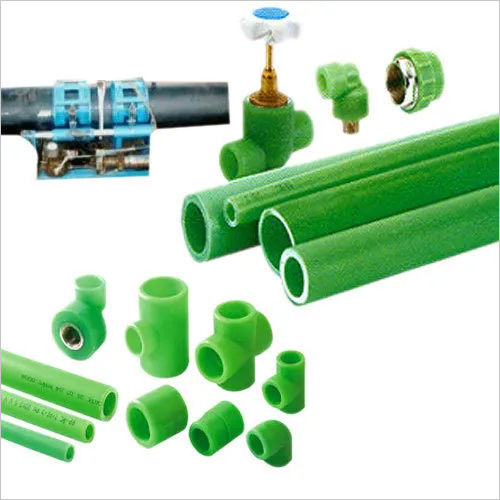
Tell us about your requirement

Price:
Quantity
Select Unit
- 50
- 100
- 200
- 250
- 500
- 1000+
Additional detail
Mobile number
Email

More Products in Plastic Pipes Category

Fiber Reinforced Plastic Pipe
Price Range 50000.00 - 500000.00 INR / Piece
Minimum Order Quantity : 1000 Pieces
Section Shape : Round
Color : Grey
Bend Radius : As per diameter, typically pipe diameter x10
Tolerance : 2%

"We are mainly dealing in Mumbai & Maharashtra"
 Send Inquiry
Our Products
- Industrial Storage Tanks
- wire pickling plant
- Scrubber System
- Industrial Air Blowers
- DYNAMIC BALANCING AND ENGINEERING WORKS
- Plastic Pipes
- Laboratory Equipments
- Dynamic Balancing
- PP FRP Reactor
- Fume Hood
- PP Pipe Line Fabrication
- Chemical Scrubbers
- Plastic Fittings
- PP Pumps
- Plastic Piping
- Industrial Chimneys
- HDPE Pipe
- Impeller Dynamic Balancing
- Machine Shaft
- Venturi Pump
- MS Ducts
- Blower Balancing Services
- Industrial Centrifuge Machine


Factory : W-66/B, Lupin Chemical Road, M.I.D.C. Tarapur, Dist.,Boisar - 401506, Maharashtra, India

Mr. Shailesh Gharat
Mobile :08045803355
Mr Shailesh S Gharat
(Proprietor)
Mobile :08045803355
 Send Inquiry
 Send SMS
Developed and Managed by Infocom Network Private Limited.
