
Call us now :08045803355
 Send Inquiry
 Send Inquiry
Dynamic Balancing Machine
MOQ : 1 , , Piece
Dynamic Balancing Machine Specification
- Temperature
- Ambient
- Sensor Type
- Piezoelectric Transducer
- Orientation
- Horizontal
- Display Type
- Digital Display
- Usage & Applications
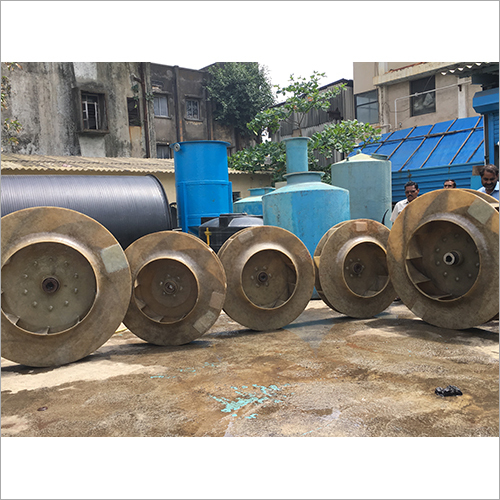
- Rotors, Impellers, Blowers, Shafts, Couplings, Rollers, etc.
- Efficiency
- 95%
- Instruments Type
- Industrial Precision Balancer
- Measurement
- Unbalance, Vibration Level
- Power Source
- Electric
- Automation Grade
- Semi-Automatic
- Product Type
- Dynamic Balancing Machine
- Material
- Mild Steel Body
- Cooling System
- Air Cooled
- Noise Level
- <70 dB(A)
- Reactor Thickness
- 12 mm
- Processing Time
- Configurable
- Capacity
- Up to 2000 kg
- Voltage
- 220V / 380V, 50Hz
- Weight
- 1200 kg
- Dimension (L*W*H)
- 2100 x 700 x 1100 mm
- Surface
- Powder Coated
- Balancing Speed
- 200-2000 RPM
- Rotor Diameter
- Up to 1800 mm
- Drive System
- Belt Driven
- Safety Features
- Emergency Stop & Protective Guards
- Balancing Accuracy
- 1 gmm/kg
- Control Panel
- Microprocessor-Based
- Operating Temperature
- 5°C to 45°C
- Data Output
- USB / Printer Port
- Fixture Type
- Universal Chuck
- Clamping Method
- Dynamic End Drive
Dynamic Balancing Machine Trade Information
- Minimum Order Quantity
- 1 , , Piece
- Supply Ability
- 50 Pieces Per Week
- Delivery Time
- 5-7 Days
About Dynamic Balancing Machine
A dynamic balancing machine is a machine used to measure and correct an imbalance in rotating equipment. It is used to ensure that the weight of the rotating parts are evenly distributed, thus eliminating vibration and excessive wear on the rotating components. The machine provides a precise measurement of the imbalance, which can then be corrected with weights or other means.Precision Balancing for Industrial Rotors
Achieve top-tier balancing for various rotating equipment, including rotors, impellers, blowers, shafts, and couplings. The Universal Chuck and dynamic end drive system ensure flexibility and adaptability, while a digital display provides real-time measurement data. This machines horizontal orientation and semi-automatic design make it a reliable addition to any industrial setup.
Advanced Control and Safety Features
Benefit from a microprocessor-based control panel and configurable processing times for tailored performance. Safety is prioritized with emergency stops and protective guards. The mild steel body with powder coating and air-cooling system extends machine longevity, keeping operation safe and efficient within 5C to 45C.
Comprehensive Data Output for Analysis
Track and record balancing results via USB or printer port. The integrated piezoelectric transducer measures vibration and unbalance with high accuracy, facilitating detailed analysis and quality assurance. The machines capabilities are fully suited for distributor, manufacturer, and service provider requirements, ensuring seamless integration into industrial processes.
FAQs of Dynamic Balancing Machine:
Q: How does the dynamic balancing machine achieve precise balancing accuracy?
A: The machine utilizes a microprocessor-based control panel and piezoelectric sensors to detect and measure unbalance and vibration levels. With balancing speeds of 200-2000 RPM and an accuracy up to 1 gmm/kg, it ensures precise correction for industrial rotors and components.Q: What components can be balanced using this machine?
A: It supports balancing of various rotating parts such as rotors, impellers, blowers, shafts, couplings, and rollers, accommodating diameters up to 1800 mm and weights up to 2000 kg, making it versatile for multiple industrial applications.Q: When should industrial users opt for this balancing machine?
A: This machine is ideal when high balancing efficiency and accuracy are required, especially for heavy and large-diameter components. It is suitable for routine maintenance, manufacturing, and service operations, enhancing equipment lifespan and performance.Q: Where is the machine commonly installed and operated?
A: It is typically installed in manufacturing plants, maintenance workshops, and fabrication units across industries in India. Its robust design, moderate dimensions, and powder-coated finish make it suitable for diverse operational environments.Q: What is the process for balancing rotors using this equipment?
A: Users mount the rotor to the universal chuck, configure settings on the digital control panel, and initiate the balancing cycle. The machine detects unbalance through piezoelectric sensors and displays correction information in real time, with options to save or print data for documentation.Q: What are the operational benefits of the machines built-in safety features?
A: Emergency stop functions and protective guards safeguard operators during the balancing process, reducing risk and supporting compliance with stringent safety standards in industrial applications.Q: How does the machine integrate with modern data analysis methods?
A: Data output capabilities through USB and printer ports enable direct transfer of balancing results to computers or printouts, facilitating easy integration into quality assurance workflows and further analysis for process optimization.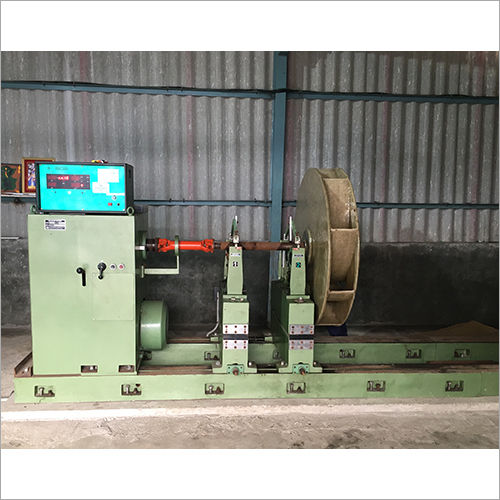
Tell us about your requirement

Price:
Quantity
Select Unit
- 50
- 100
- 200
- 250
- 500
- 1000+
Additional detail
Mobile number
Email

More Products in Dynamic Balancing Category
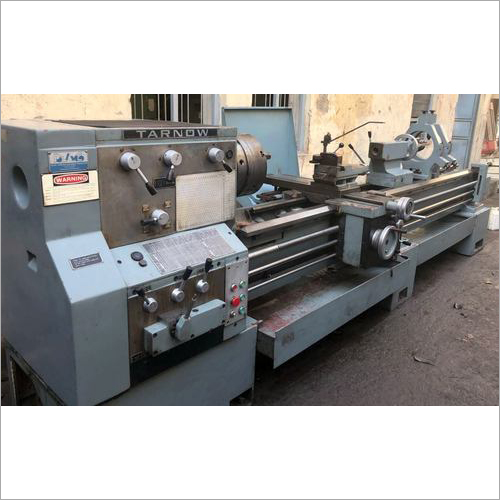
Leth Work
Price Range 50000.00 - 500000.00 INR / Piece
Minimum Order Quantity : 1 , , Piece
Automation Grade : SemiAutomatic
Orientation : Horizontal
Material : Mild Steel
Capacity : 15 Ton/day
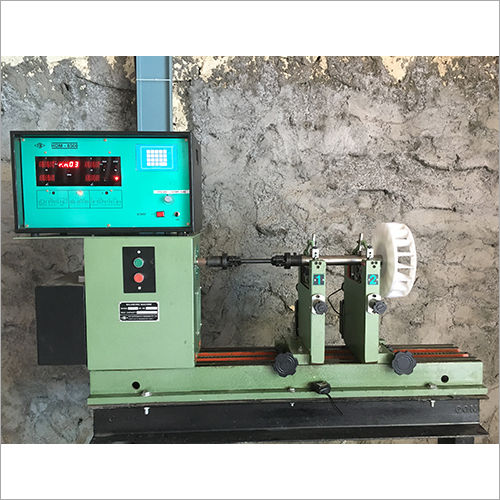
Center Balancing Machine
Price Range 50000.00 - 500000.00 INR / Piece
Minimum Order Quantity : 1 , , Piece
Automation Grade : Automatic
Orientation : Horizontal
Material : Mild Steel, Powder Coated
Capacity : 10300 kg
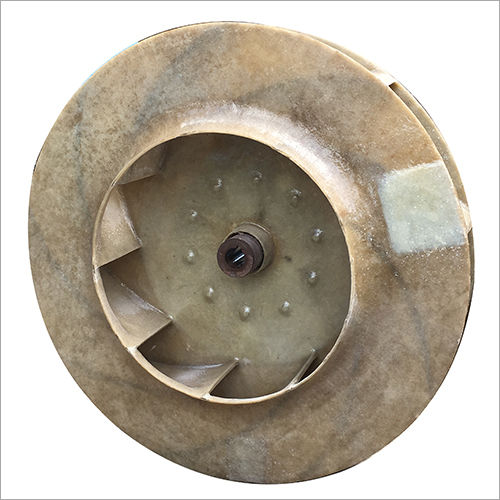
FRV Ampiler
Price Range 50000.00 - 500000.00 INR / Piece
Minimum Order Quantity : 1 , , Piece
Automation Grade : Automatic
Orientation : Horizontal
Material : Mild Steel
Capacity : 250500 Litre
FRV Moulded Ampiler
Price Range 50000.00 - 500000.00 INR / Piece
Minimum Order Quantity : 1 , , Piece
Automation Grade : Manual to SemiAutomatic
Orientation : Vertical/Wall Mountable
Material : High grade plastic housing with robust internal circuitry
Capacity : 5A to 30A models available

"We are mainly dealing in Mumbai & Maharashtra"
 Send Inquiry
Our Products
- Industrial Storage Tanks
- wire pickling plant
- Scrubber System
- Industrial Air Blowers
- Plastic Pipes
- DYNAMIC BALANCING AND ENGINEERING WORKS
- Laboratory Equipments
- Dynamic Balancing
- PP FRP Reactor
- Fume Hood
- PP Pipe Line Fabrication
- Plastic Fittings
- Chemical Scrubbers
- PP Pumps
- Plastic Piping
- Industrial Chimneys
- HDPE Pipe
- Impeller Dynamic Balancing
- Machine Shaft
- Venturi Pump
- MS Ducts
- Blower Balancing Services
- Industrial Centrifuge Machine


Factory : W-66/B, Lupin Chemical Road, M.I.D.C. Tarapur, Dist.,Boisar - 401506, Maharashtra, India

Mr. Shailesh Gharat
Mobile :08045803355
Mr Shailesh S Gharat
(Proprietor)
Mobile :08045803355
 Send Inquiry
 Send SMS
Developed and Managed by Infocom Network Private Limited.
