Call us now :08045803355
 Send Inquiry
 Send Inquiry
Industrial PP Piping
MOQ : 1 Piece
Industrial PP Piping Specification
- Sealing Type
- Rubber Gasket or Welding
- Connection Type
- Butt Welded, Socket Fusion, Flanged
- Yield Strength
- 20 N/mm
- Flexibility
- Semi-Rigid
- Temperature Range
- -5C to +90C
- Tolerance
- 1% of specified dimensions
- Bend Radius
- Dependent on pipe diameter, generally 15x pipe OD
- Tensile Strength
- 30 N/mm
- Diameter
- 20 mm to 630 mm
- Product Type
- Industrial PP Piping
- Material
- Polypropylene (PP)
- Connection
- Butt Welded, Socket Fusion, Flanged
- Shape
- Round Pipe
- Standard
- DIN, ASTM, ISO
- Surface Treatment
- Smooth, Uncoated
- Outer Diameter
- 20 mm to 630 mm
- Section Shape
- Circular
- Length
- Up to 6 meters
- Thickness
- 3 mm to 15 mm
- Color
- Grey
- Usage
- Industrial Fluid Transfer, Chemical Processing
- Rated Pressure
- PN10, PN16
- Application
- Chemical, Water, Wastewater, Effluent, Food Industry
- Material Grade
- PP-H (Homopolymer Polypropylene)
- Abrasion Resistance
- High, suitable for slurry movement
- Maximum Working Pressure
- Up to 16 bar depending on size and application
- Hydraulic Smoothness
- Low friction loss, suitable for high flow rates
- Service Life
- Over 50 years under normal operating conditions
- Fire Resistance
- Self-extinguishing as per UL 94 HB
- Installation Method
- Welding, Flanged Joints
- Density
- 0.91 g/cm³
- Compliance Certification
- Certified as per ISO 4427, DIN 8077/8078
- Odor/Taste Contribution
- Odorless, no taste imparted to conveyed media
- Impact Resistance
- High, suitable for underground and above-ground application
- UV Stability
- Good with appropriate additives
- Recyclability
- 100% recyclable material
- Corrosion Resistance
- Excellent resistance to a wide range of chemicals and corrosive media
Industrial PP Piping Trade Information
- Minimum Order Quantity
- 1 Piece
- Supply Ability
- 50 Pieces Per Week
- Delivery Time
- 5-7 Days
- Sample Available
- Yes
- Sample Policy
- Free samples are available
- Packaging Details
- polythene packing
- Main Domestic Market
- All India
About Industrial PP Piping
Industrial PP Piping
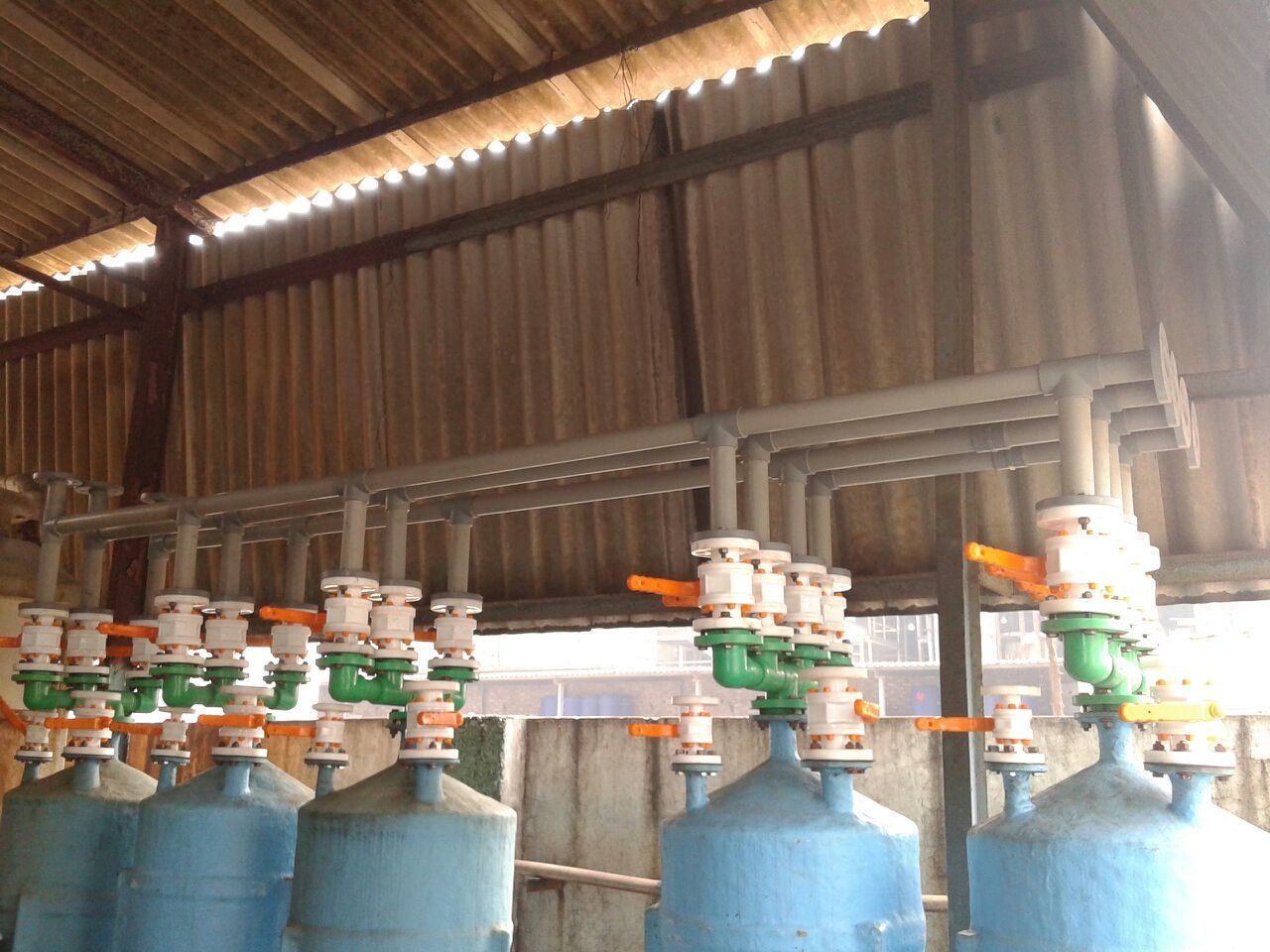
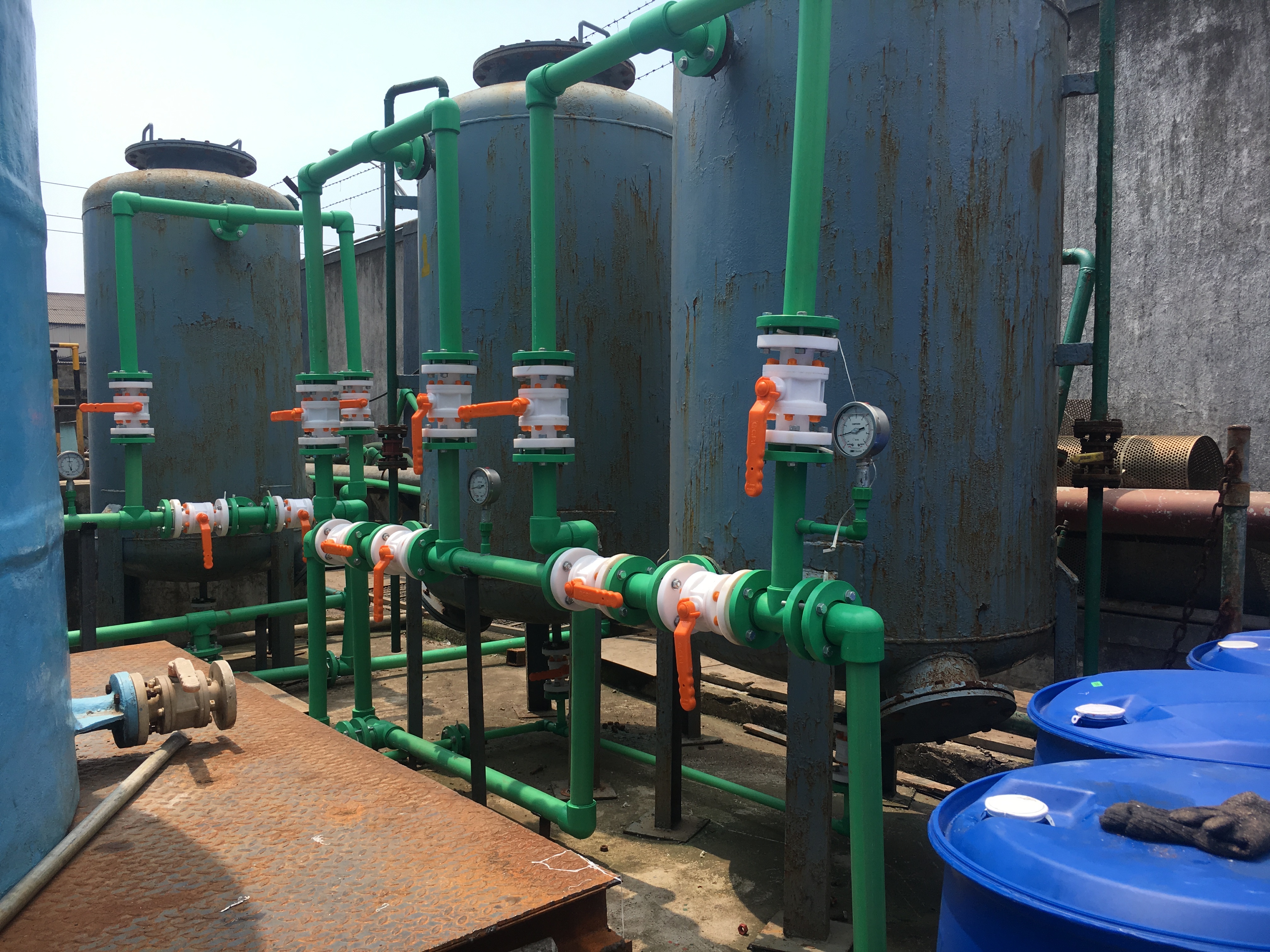
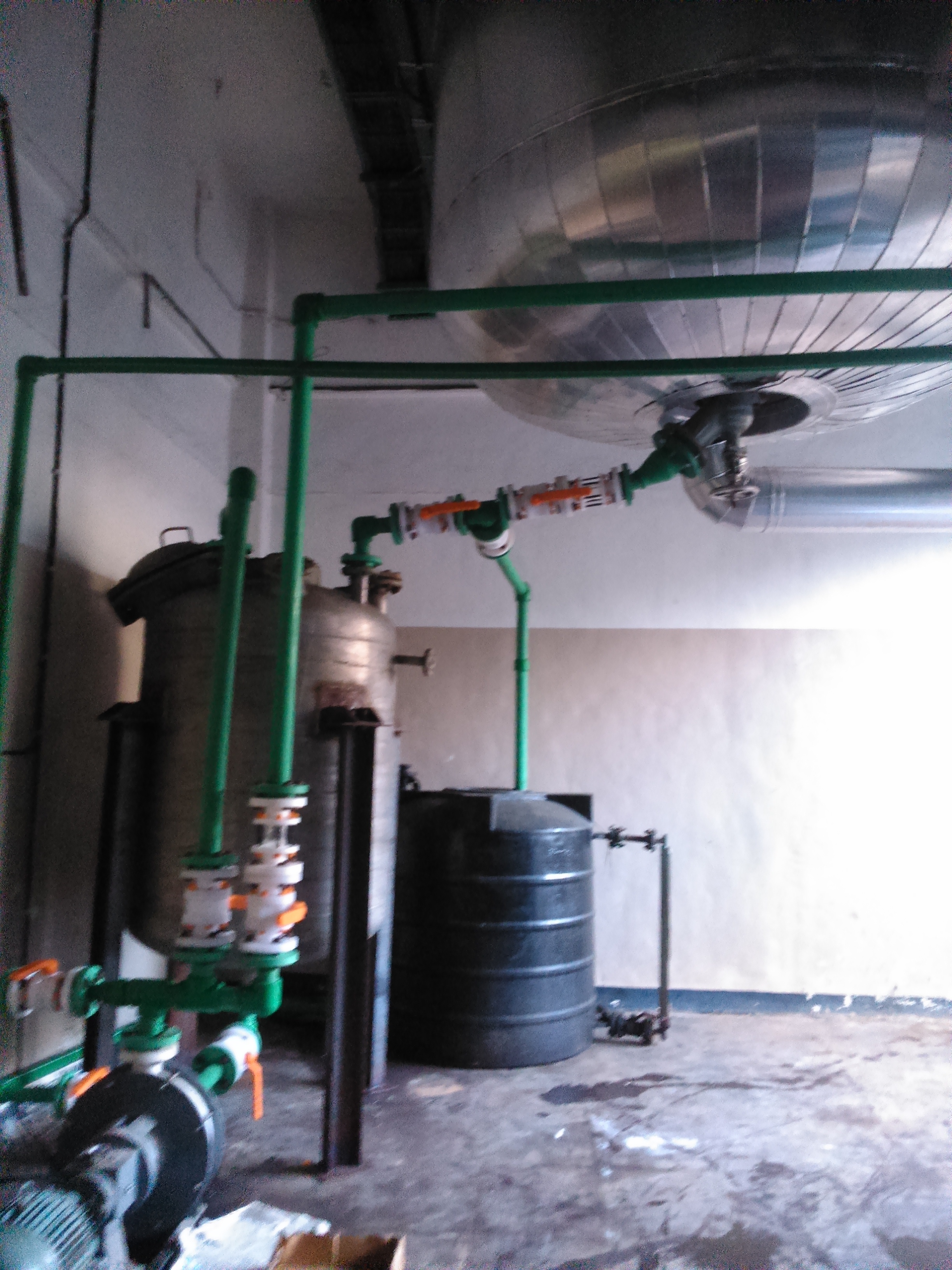
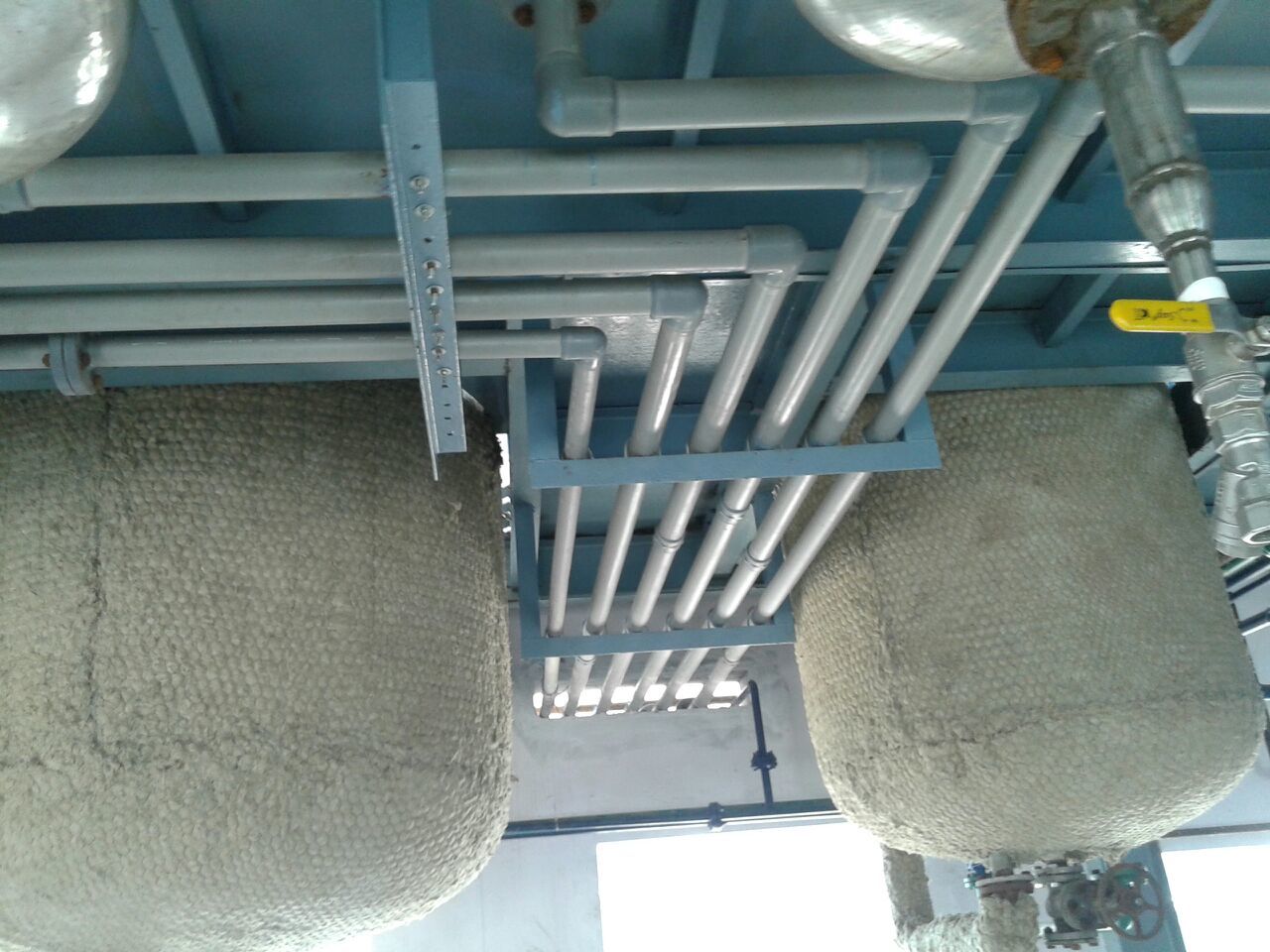
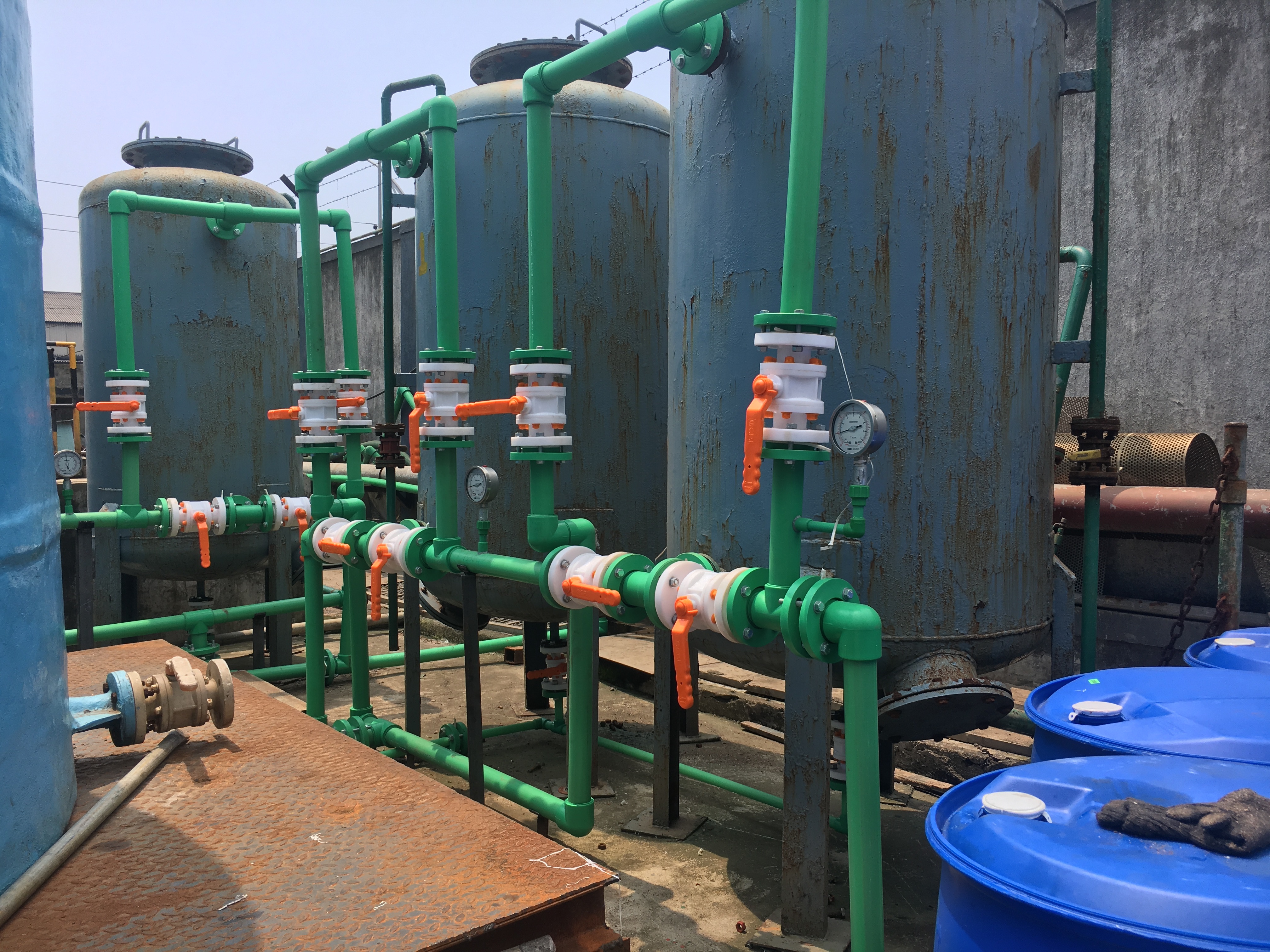
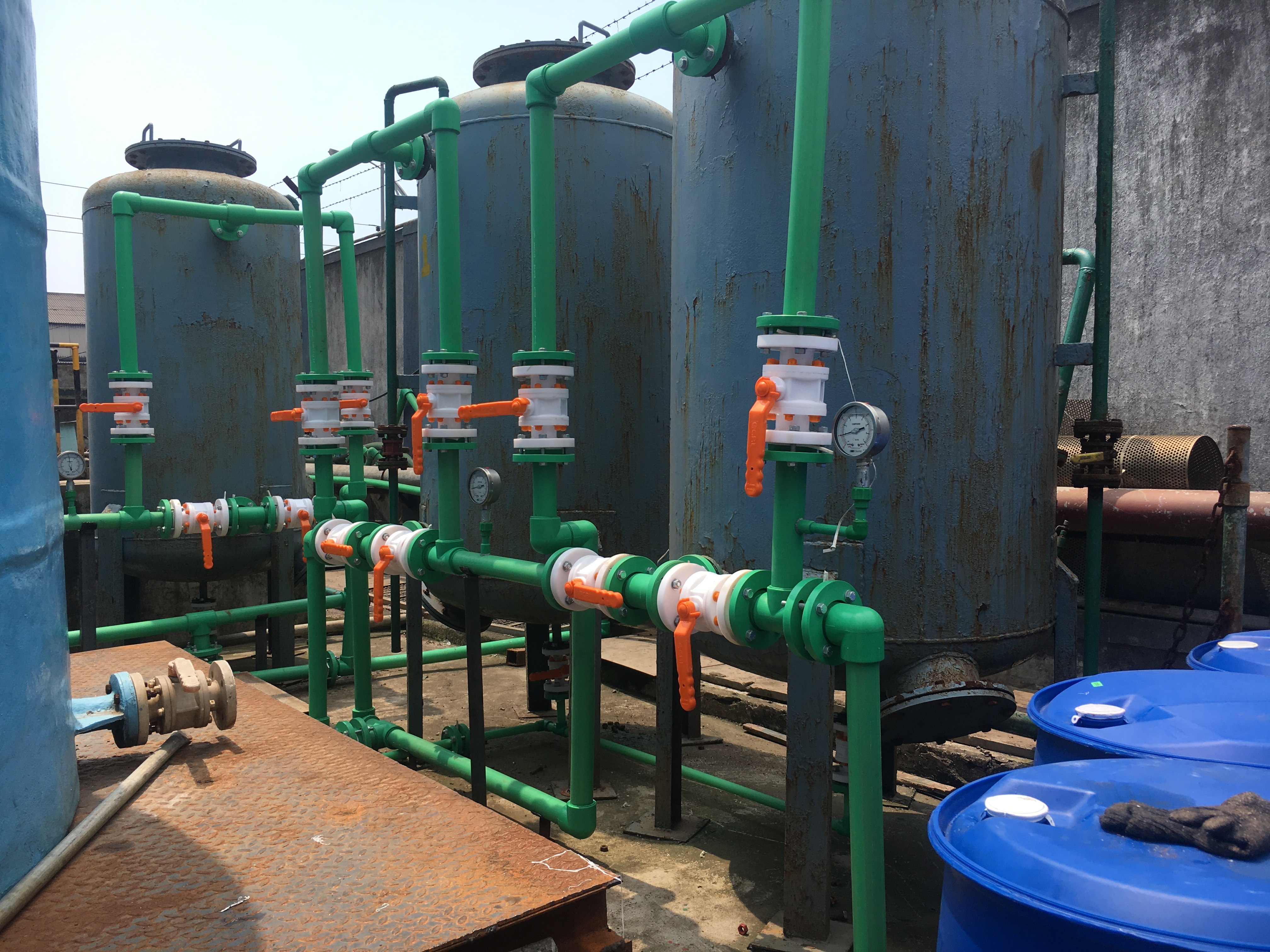
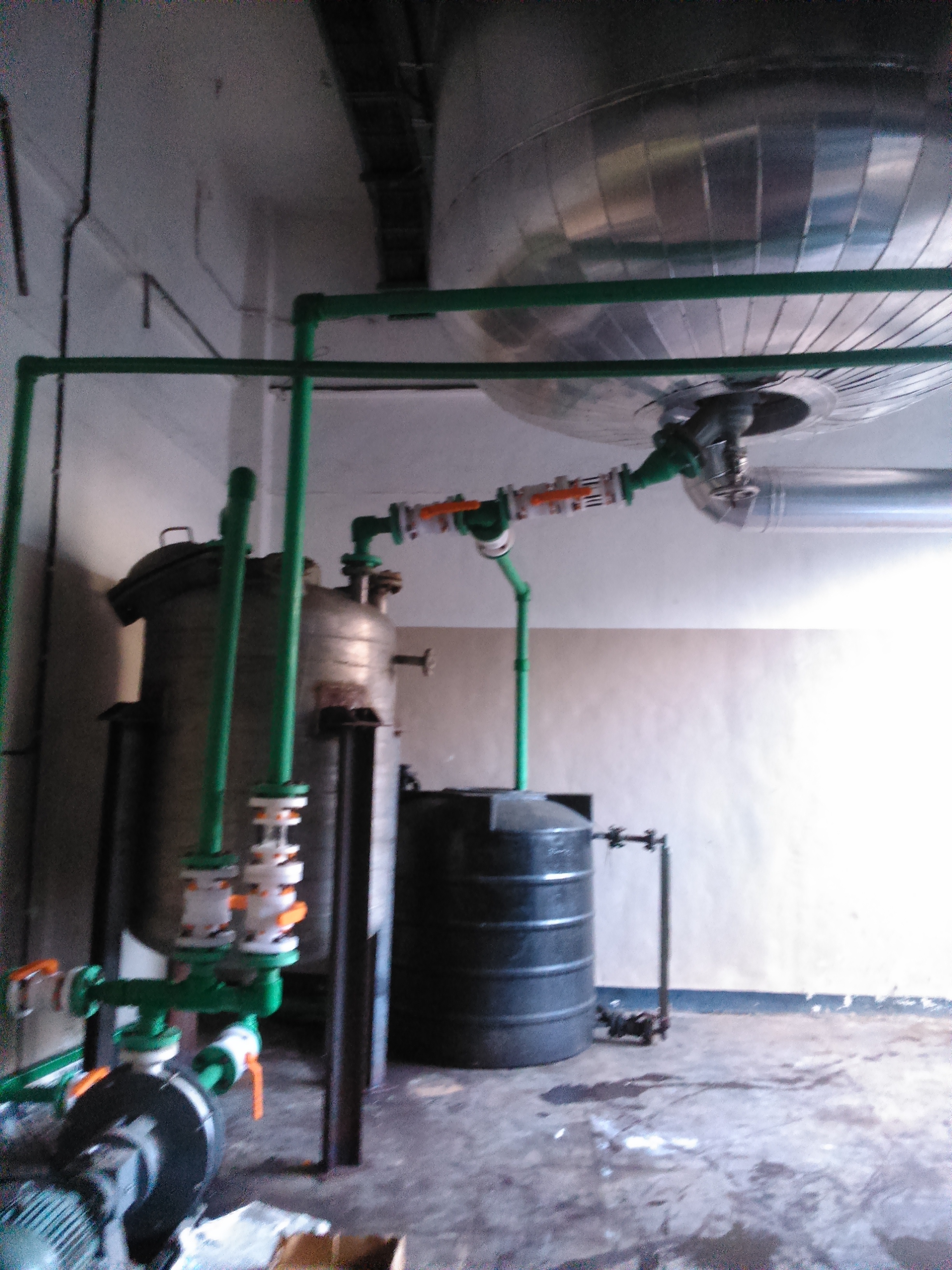
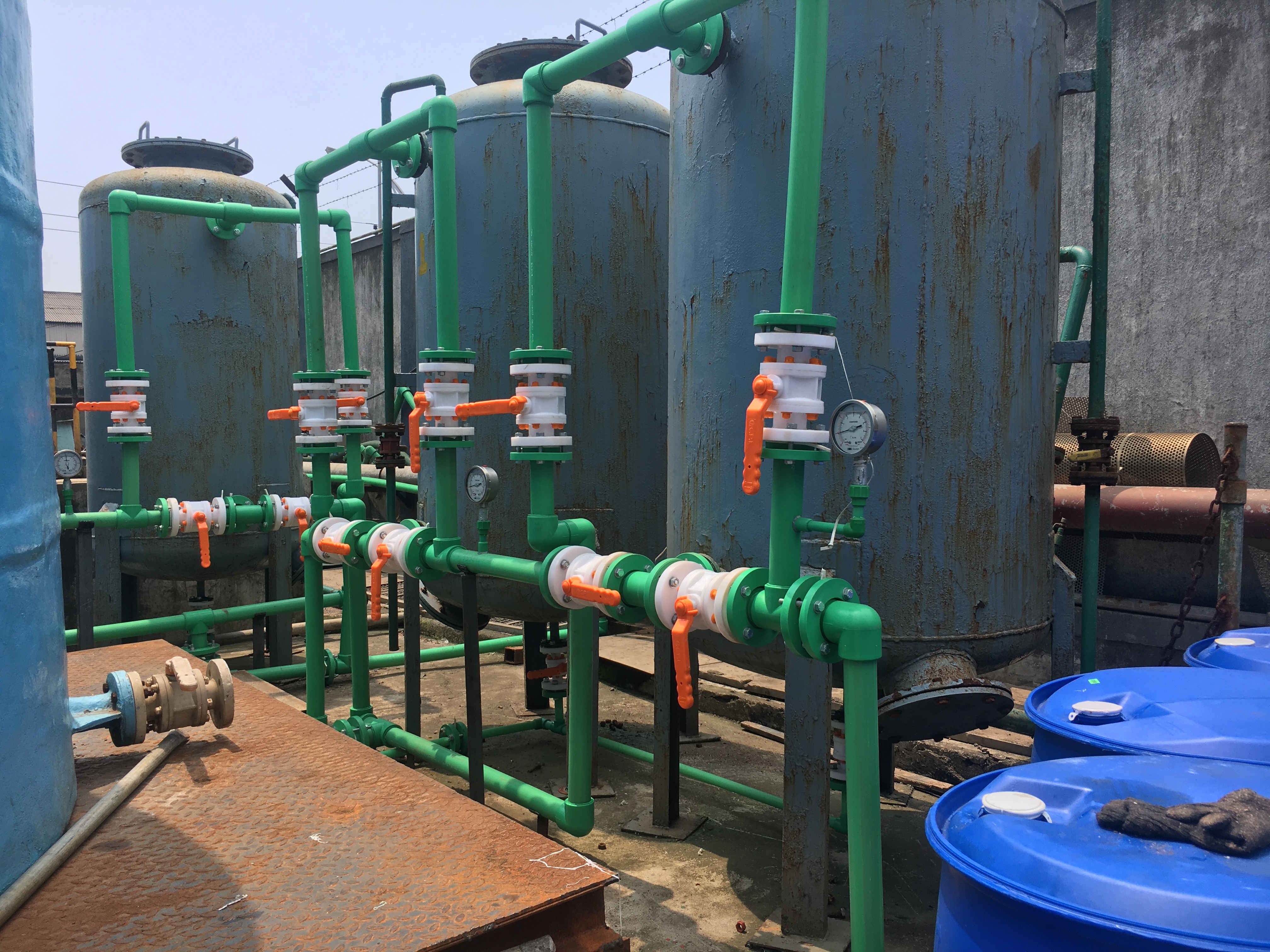
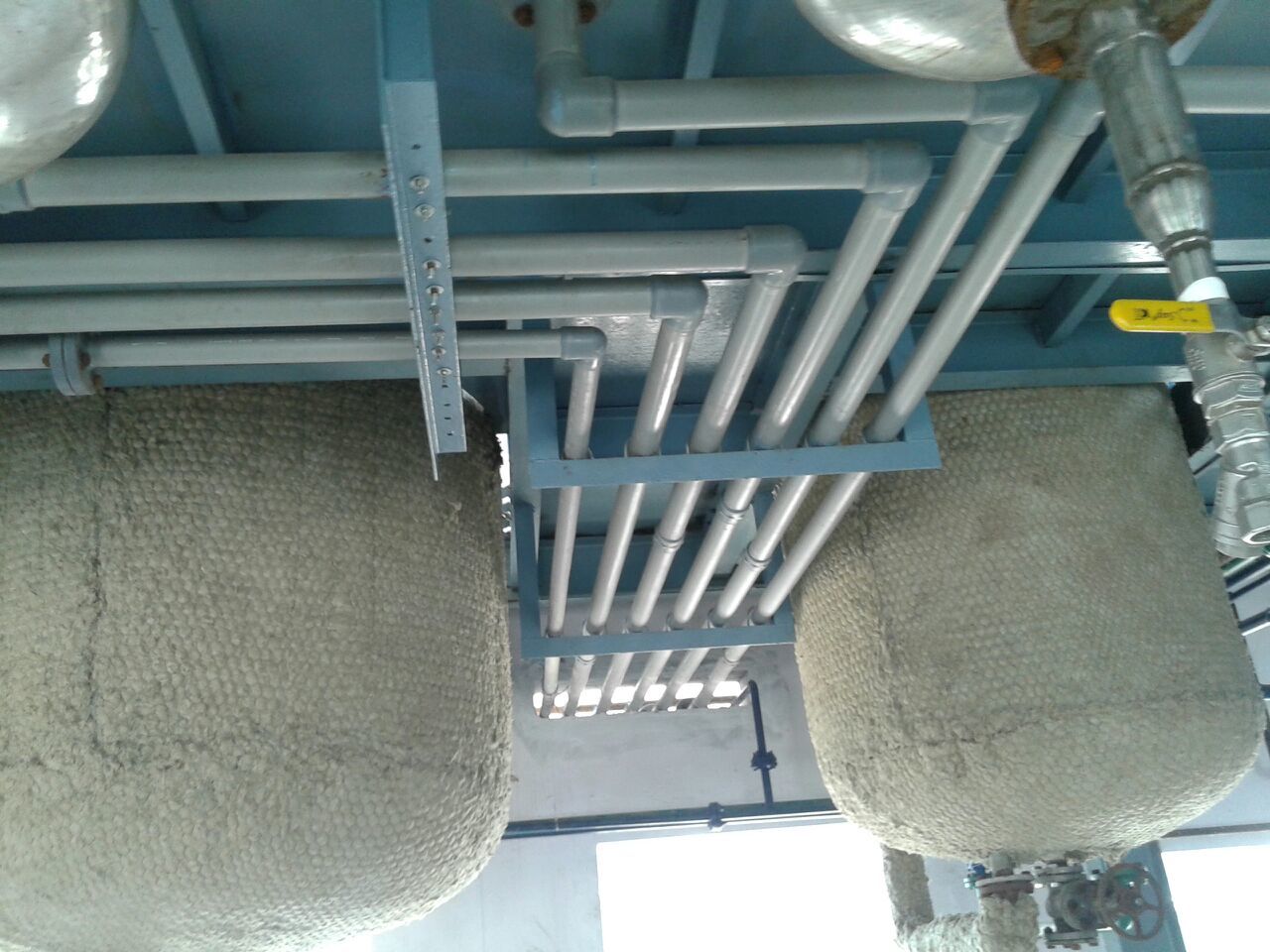
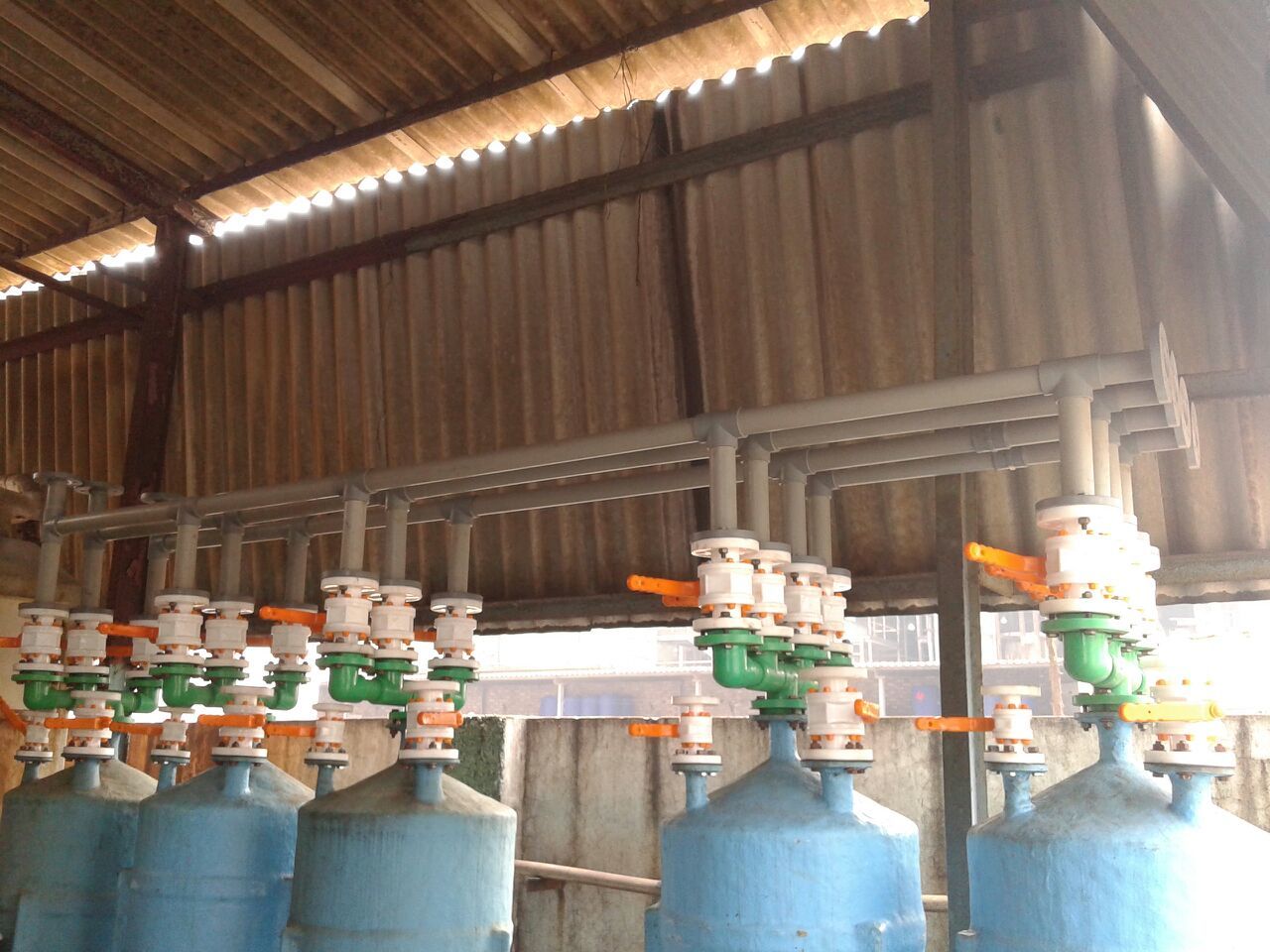
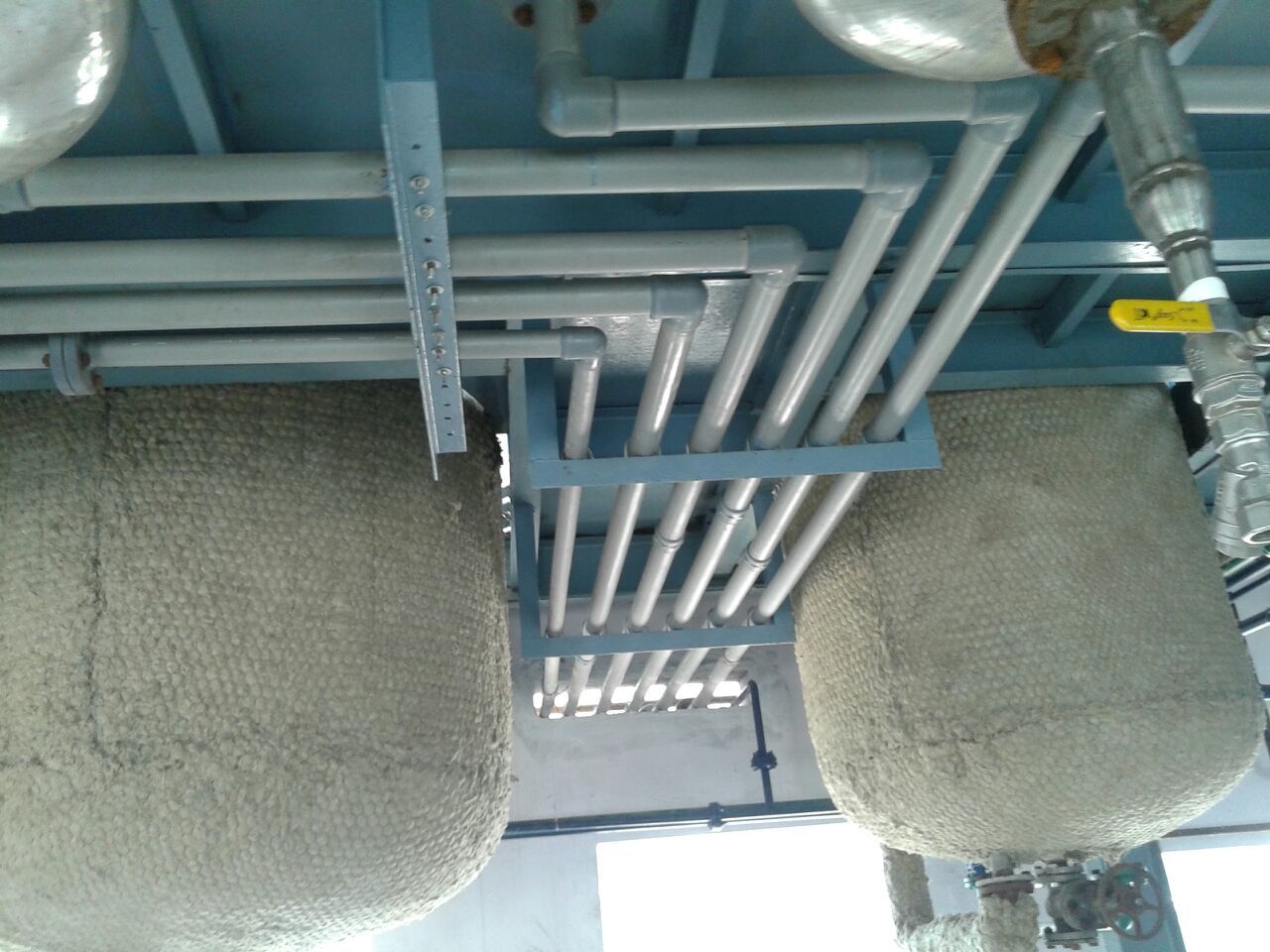
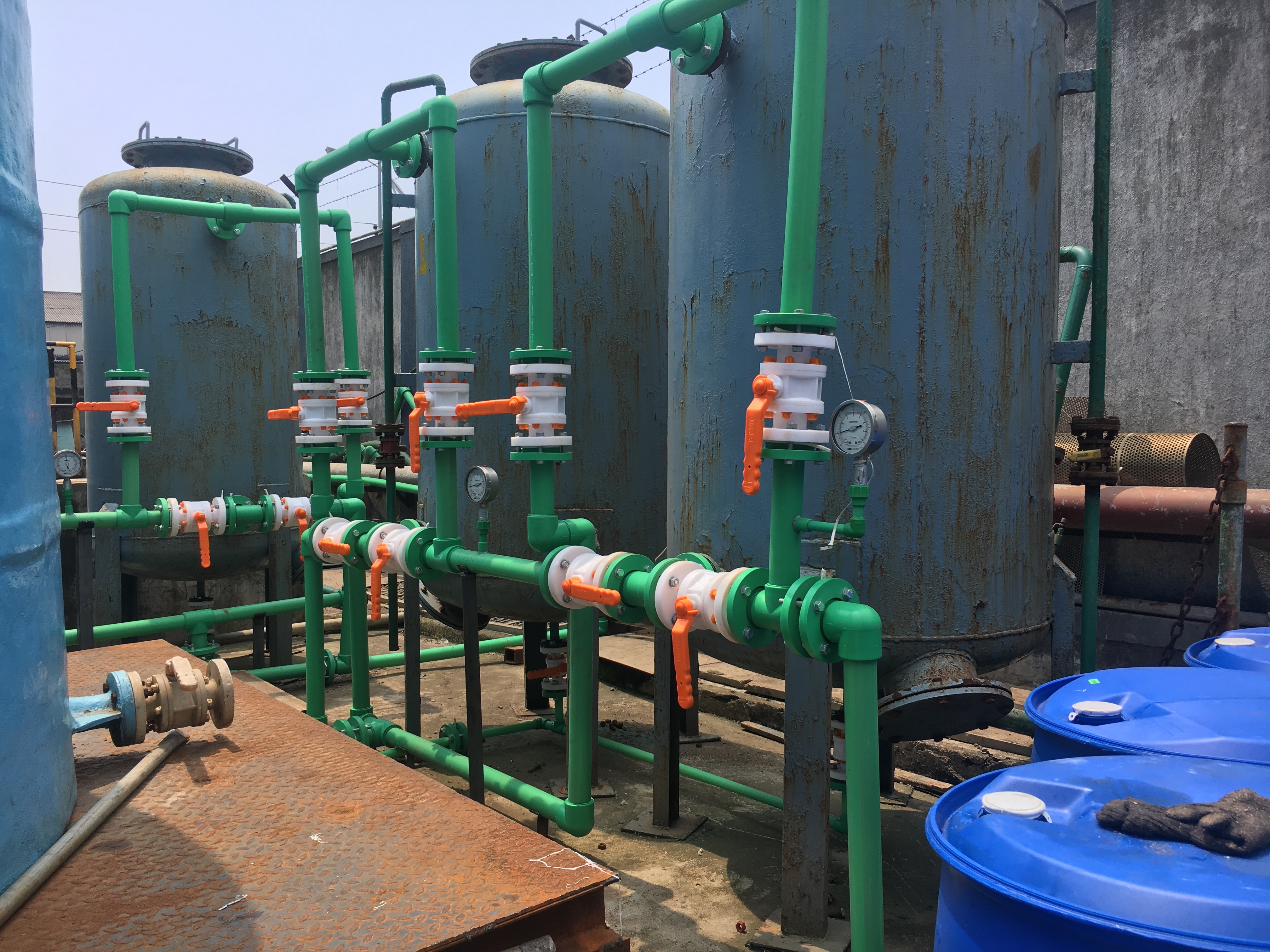
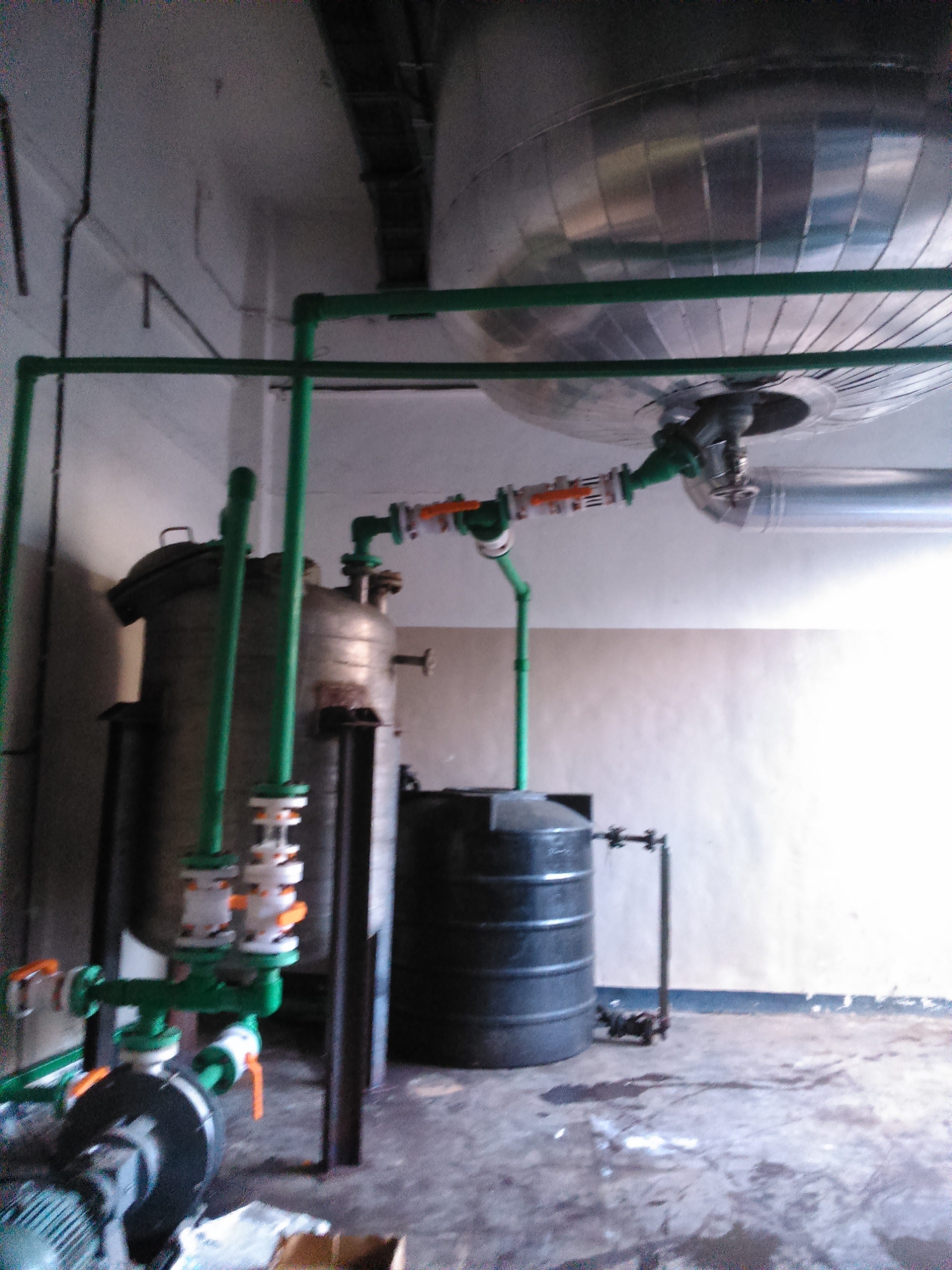
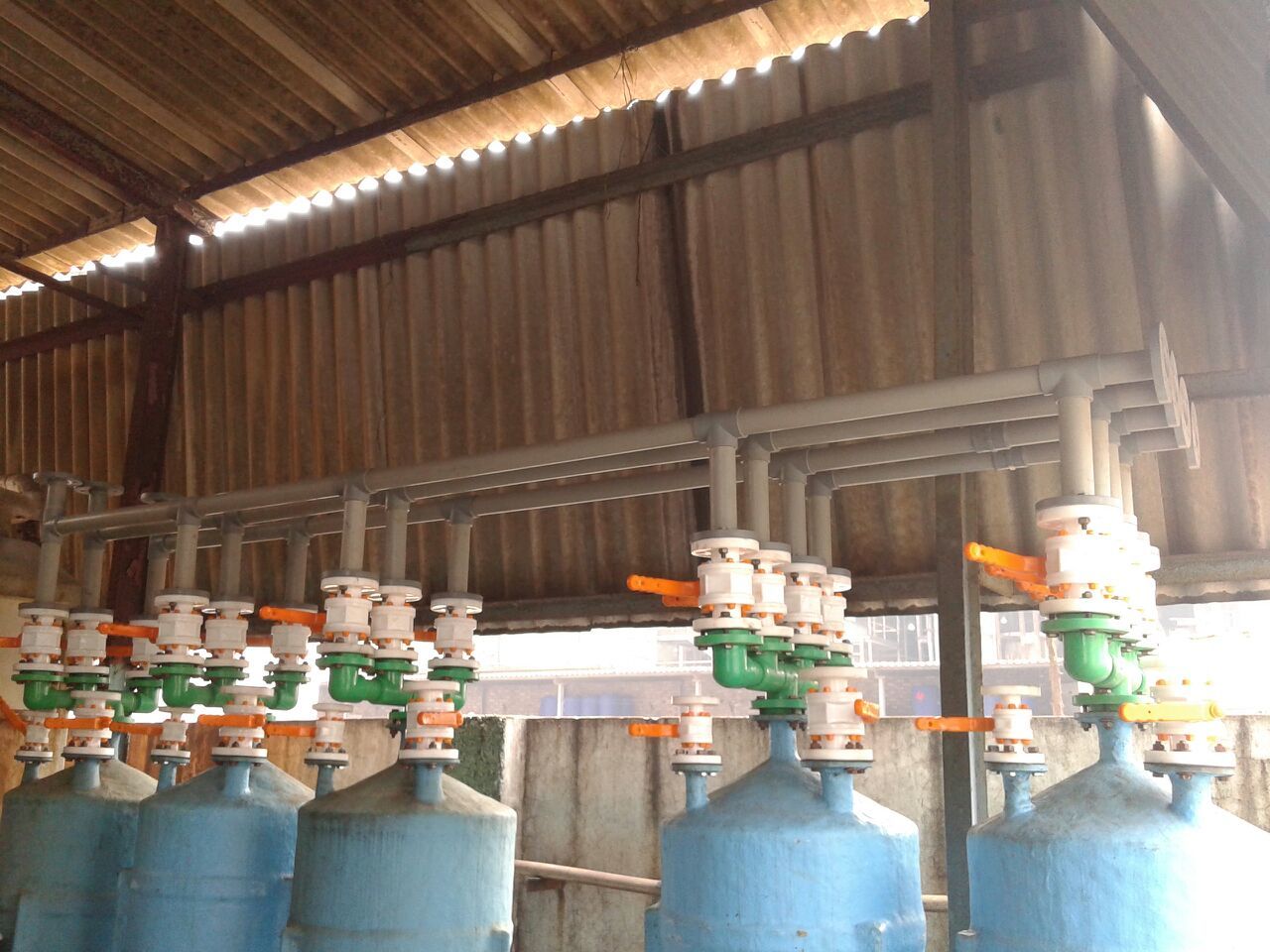
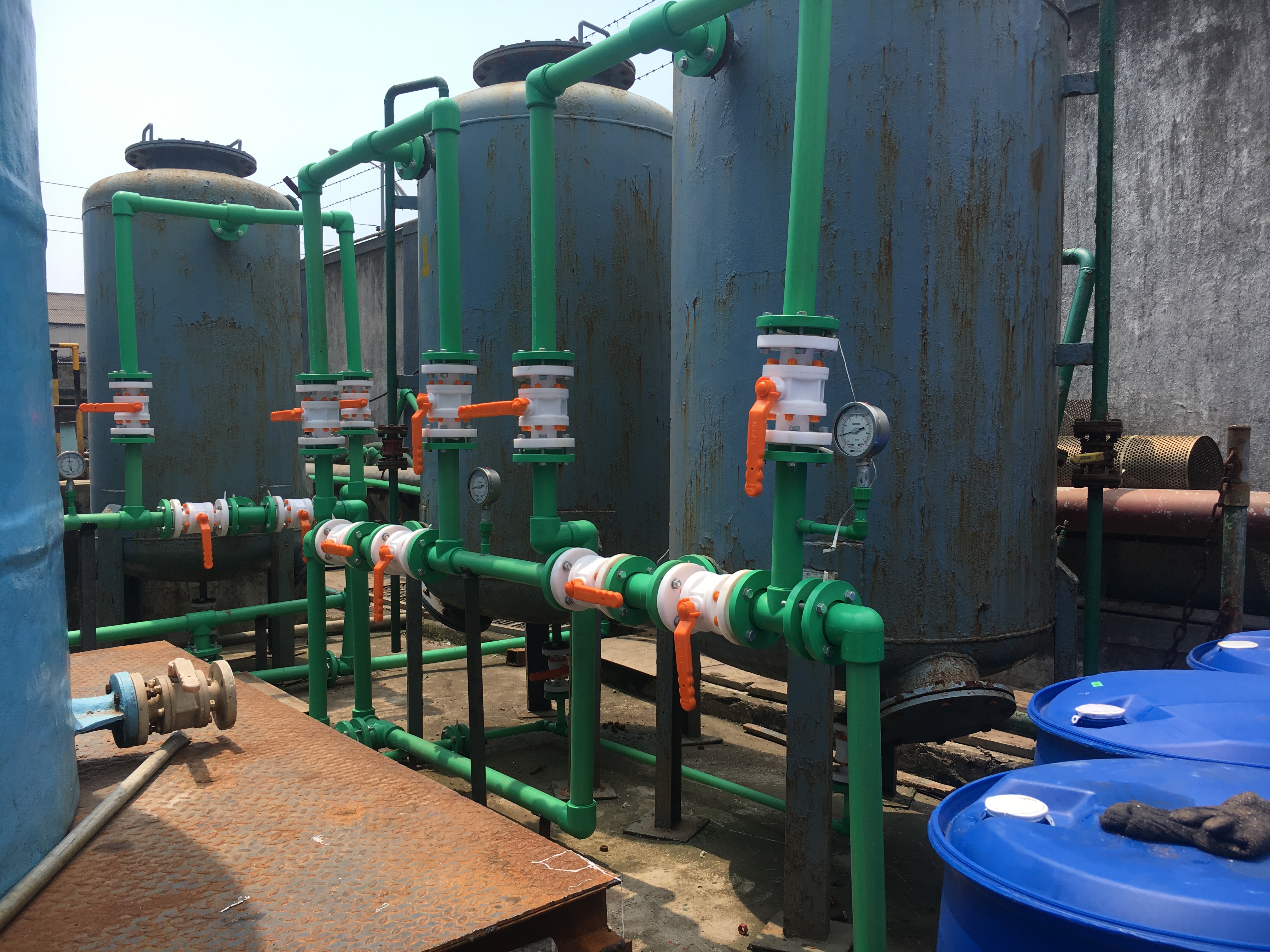
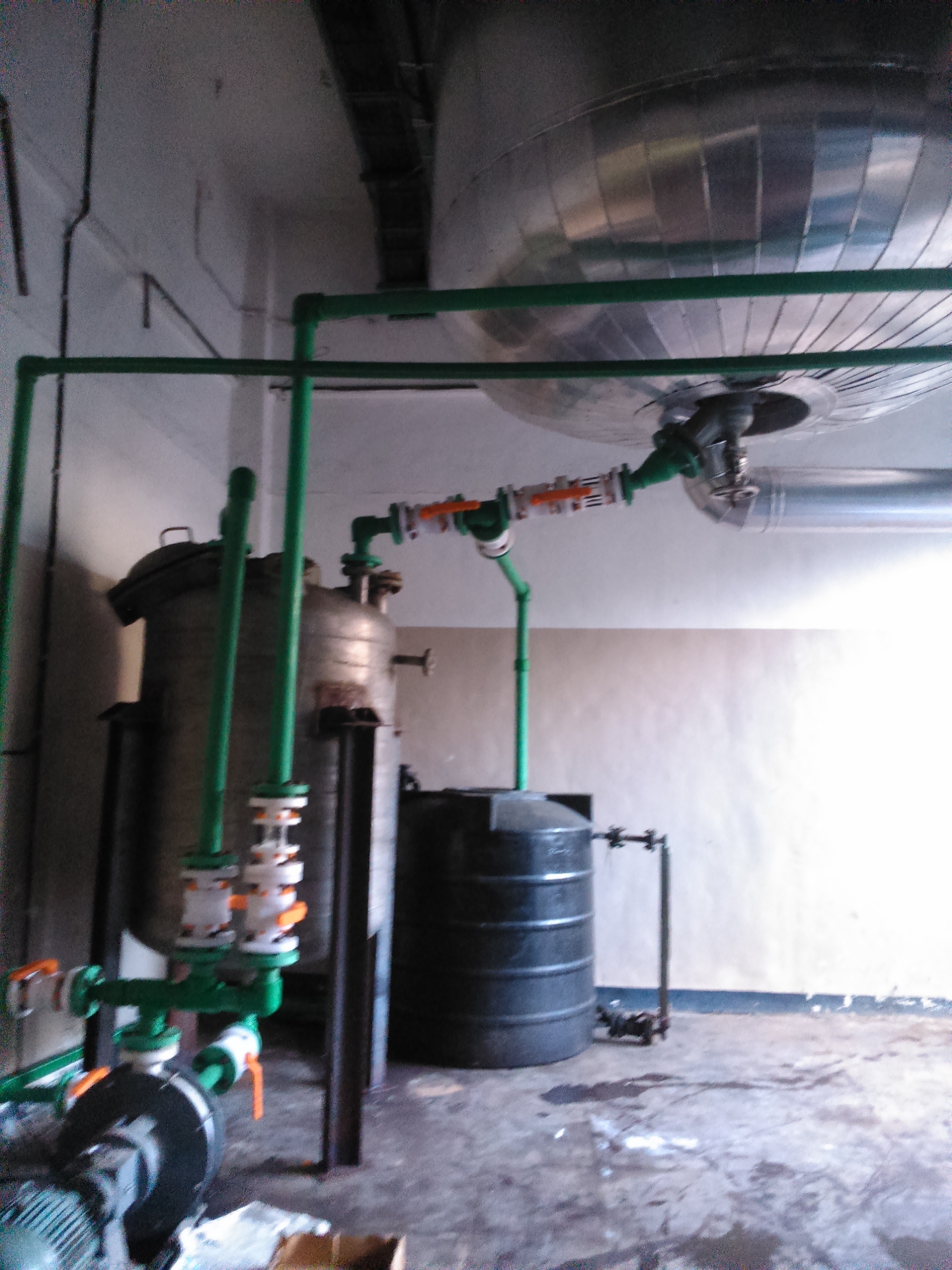
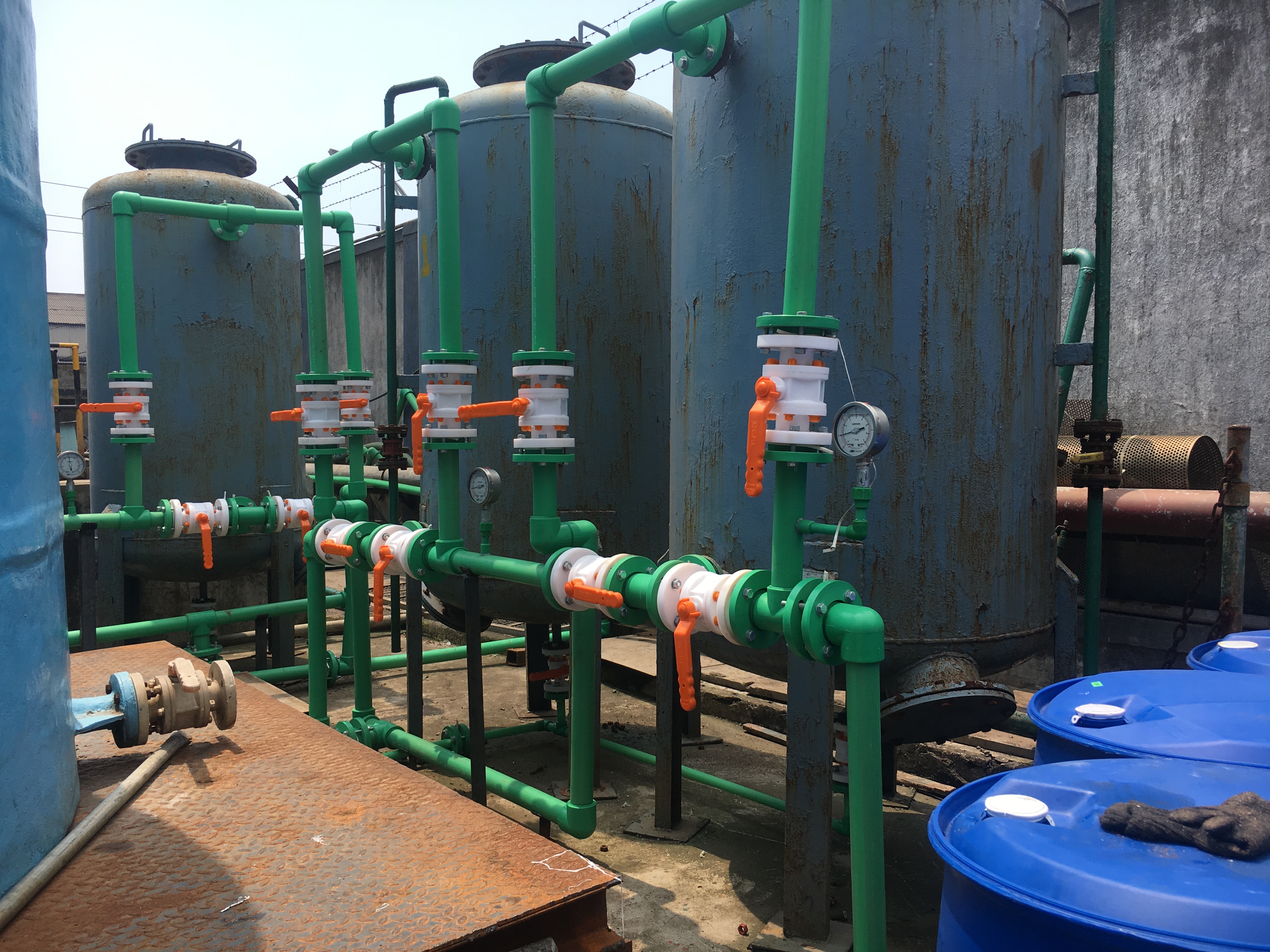
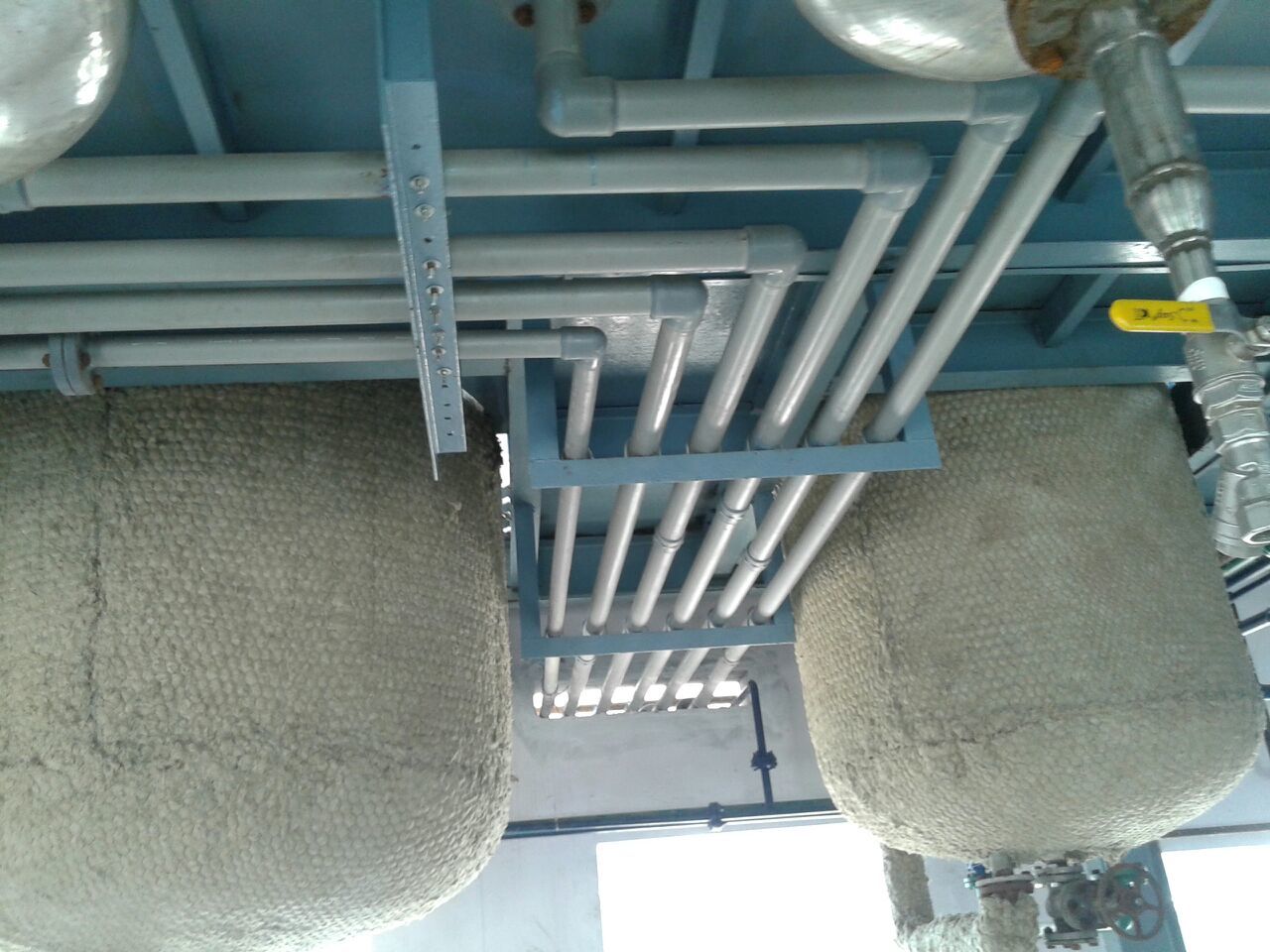
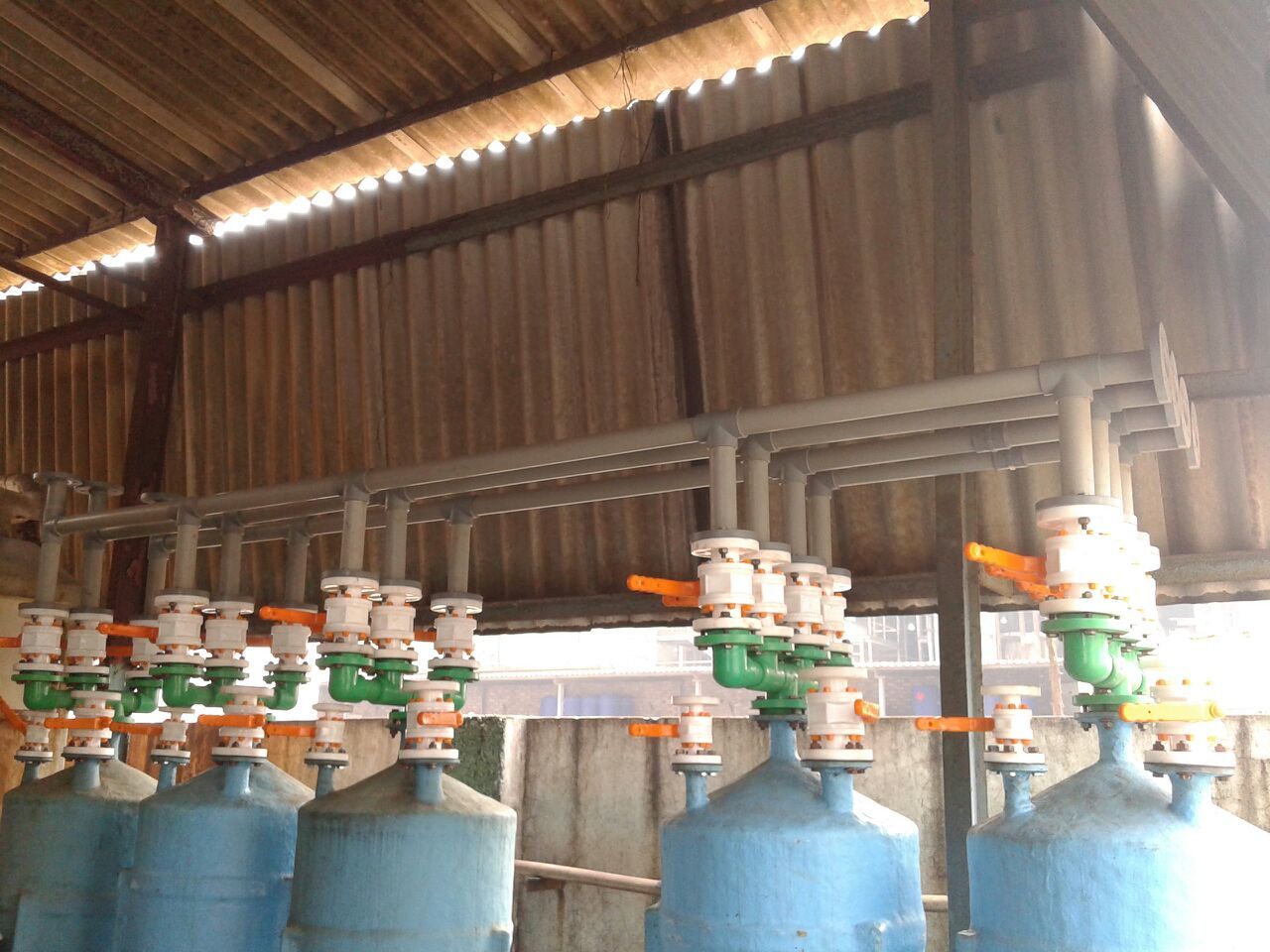
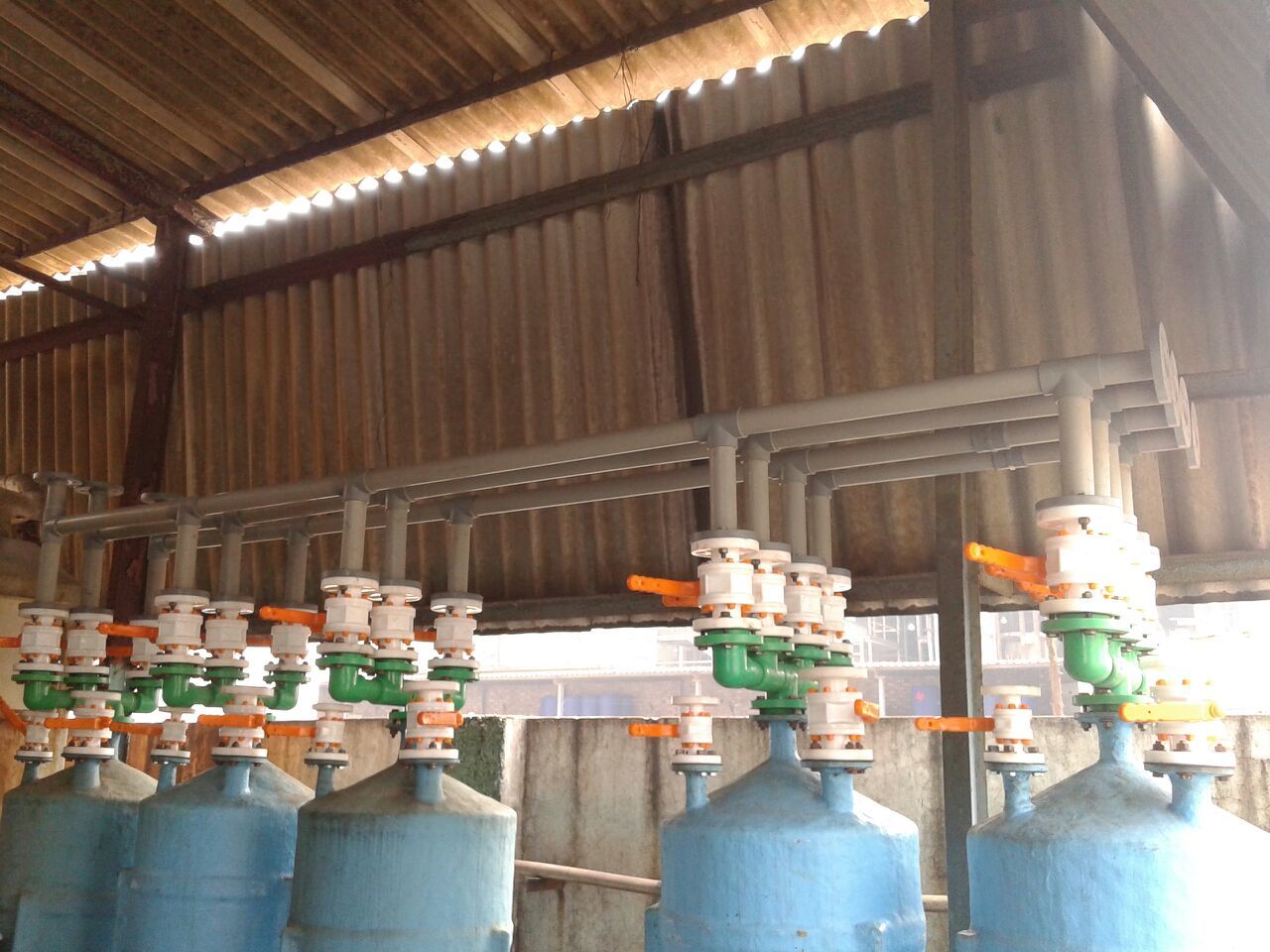
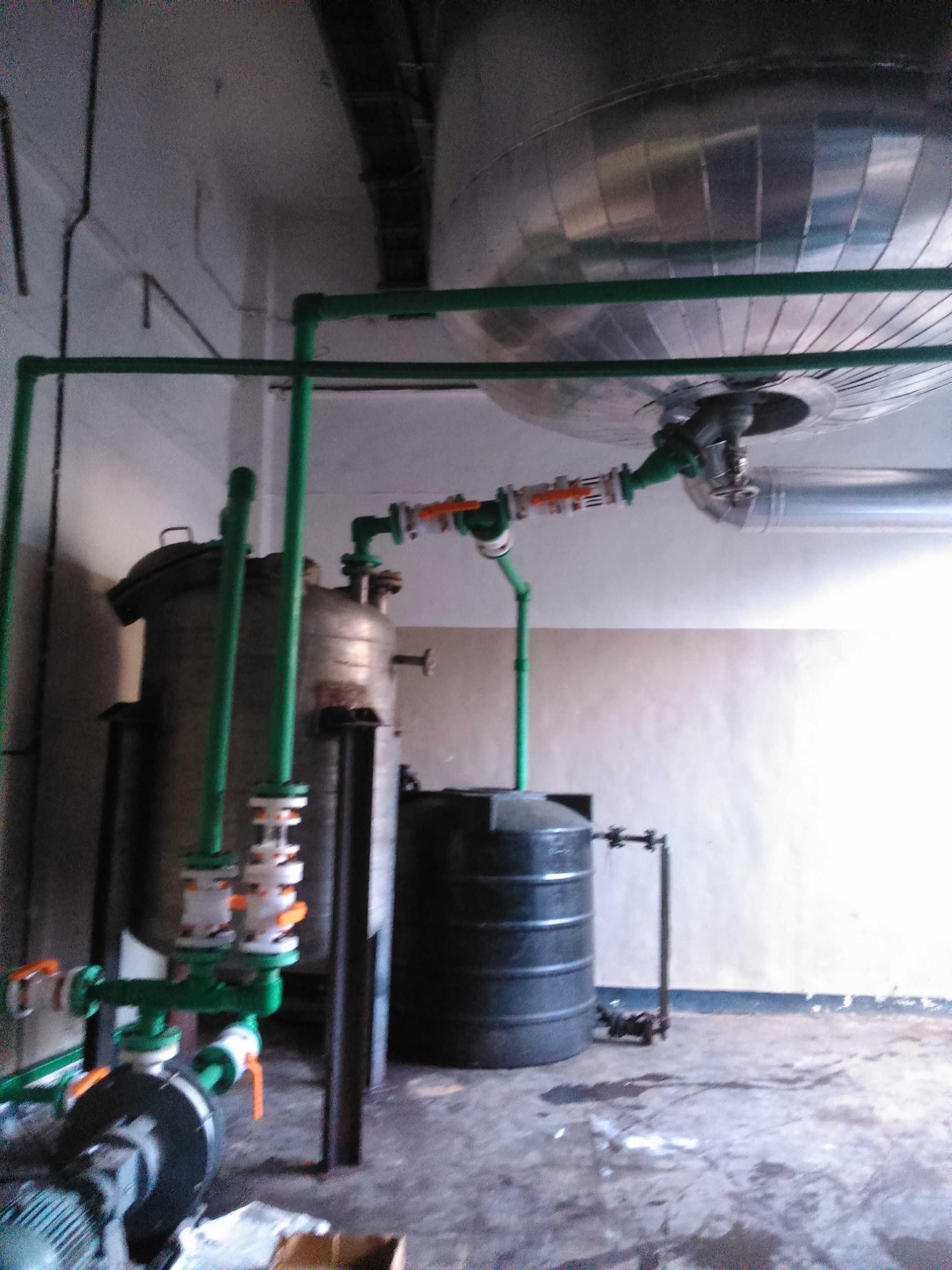
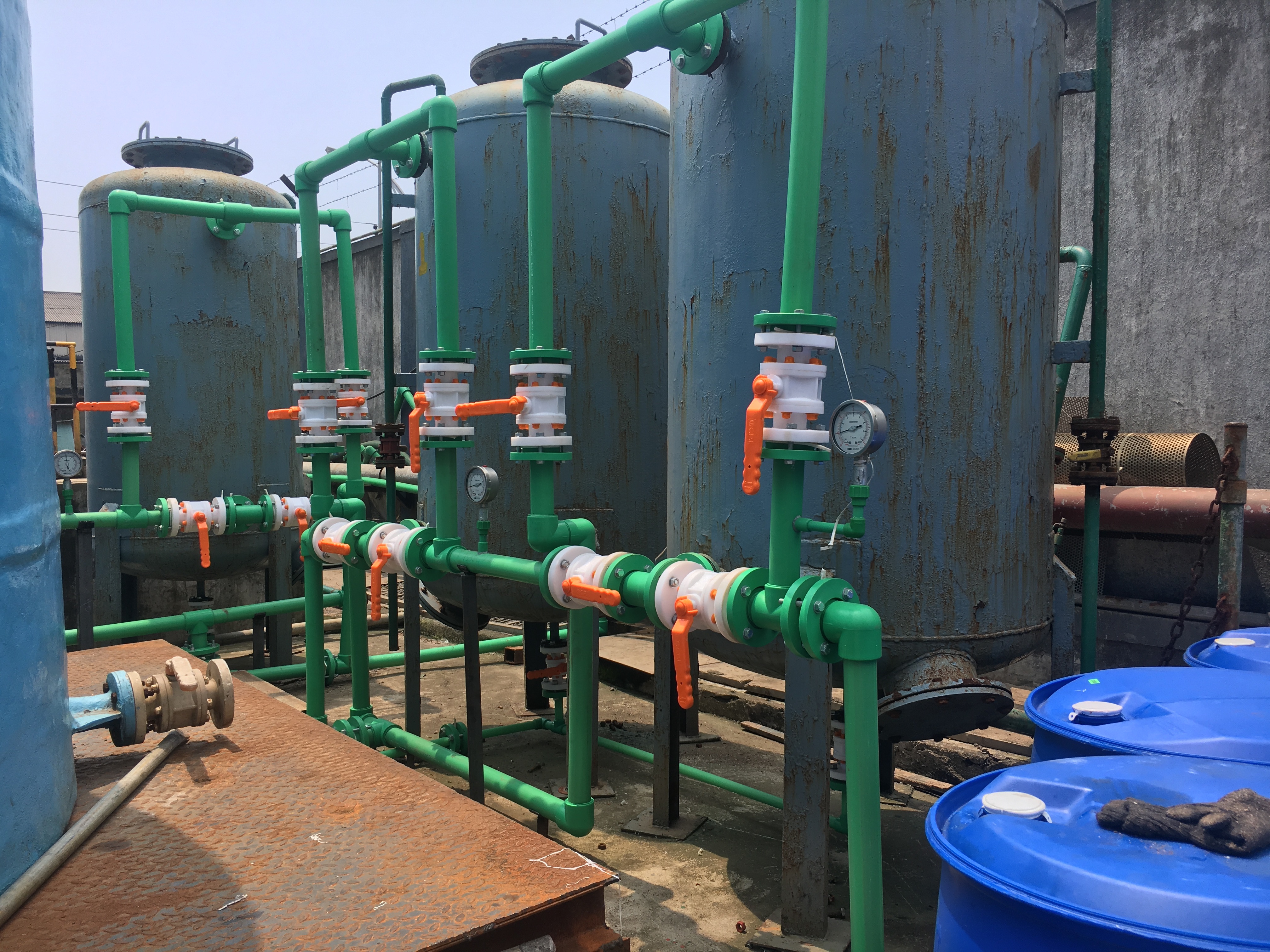
Backed by consistent efforts of our dexterous workforce, we are offering a broad collection of Industrial PP Piping which is best suited for passing liquid and waste form industrial and residential places. This Industrial PP Piping is designed by utilizing latest machinery using Polypropylene in accordance with industry set guidelines. In order to deliver flawless range to our customers, this range is tested on various quality parameters like leak proof nature & ability to withstand in high temperature. The offered range is available in various sizes, as per customers requirements.
'' We Are Mainly Dealing In Mumbai & Maharashtra ''
Specification
| Service Location/City | Local Area |
| Pipe Shapes | Round |
| Work Type | New Construction |
| Usage/Application | all |
| Service Mode | Offline |
| Brand | Bindica Polyplast |
Versatility in Applications
PP piping systems are suitable for transferring chemicals, water, waste, effluent, and food industry fluids. Their robust performance in both underground and above-ground settings, and high resistance to corrosion and abrasion, make them a reliable choice across diverse industries. The semi-rigid, smooth, uncoated surface provides easy handling and maintenance.
Superior Material and Construction
Made from homopolymer polypropylene (PP-H), these pipes offer excellent mechanical properties, including tensile and yield strength, while being entirely recyclable. Certified to ISO 4427 and DIN 8077/8078, they comply with the highest international quality standards. Pipe sizes range from 20 mm to 630 mm in diameter, with thickness options spanning 3 mm to 15 mm.
Long-Term Performance and Safety
The self-extinguishing feature (UL 94 HB classification), odourless and taste-neutral design, and a service life exceeding 50 years ensure user safety and product longevity. The system supports working pressures up to 16 bar and temperatures from -5C to +90C, ensuring dependable operation in challenging environments.
FAQs of Industrial PP Piping:
Q: How are industrial PP pipes for fluid transfer typically installed?
A: PP pipes can be installed using butt welding, socket fusion, or flanged joints, depending on operational needs and site conditions. The choice of method provides flexibility in both underground and above-ground setups and ensures leak-tight connections with high mechanical strength.Q: What are the key benefits of using PP piping in chemical processing and water applications?
A: PP pipes offer excellent chemical and corrosion resistance, a smooth inner surface that maintains high flow rates with minimal friction loss, and a long operational lifespan. These features make them ideal for chemical, water, effluent, and food industry applications.Q: When should I choose PP pipes over alternative materials for industrial fluid transfer?
A: PP pipes are best selected when superior impact, abrasion, and chemical resistance are required, especially for handling corrosive or aggressive media. Their self-extinguishing capability and UV stability also make them suitable for environments with fire risk and outdoor exposure.Q: Where can PP pipes be applied for maximum effectiveness?
A: These pipes perform optimally in industrial facilities handling chemicals, water, wastewater, effluent, and slurry movement. Due to their high impact and abrasion resistance, they are suitable for both underground infrastructure and exposed above-ground installations.Q: What is the certification and compliance standard for these PP pipes?
A: Industrial PP pipes are certified to ISO 4427, DIN 8077/8078, and comply with ASTM and other relevant international standards, ensuring their suitability and performance in regulated industrial sectors.Q: How does the recyclability of PP piping benefit users and the environment?
A: Being 100% recyclable, PP piping contributes to reduced environmental impact and supports sustainability initiatives. Reusing or recycling end-of-life pipes helps decrease industrial waste and supports eco-friendly operations.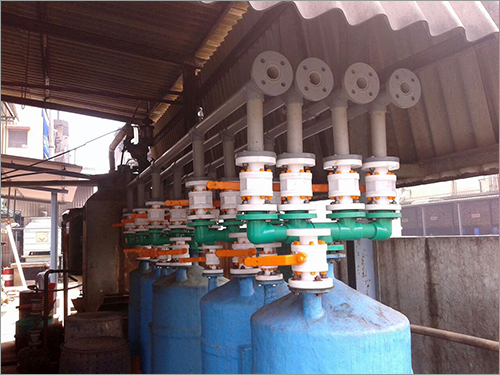



Tell us about your requirement

Price:
Quantity
Select Unit
- 50
- 100
- 200
- 250
- 500
- 1000+
Additional detail
Mobile number
Email

More Products in Plastic Piping Category
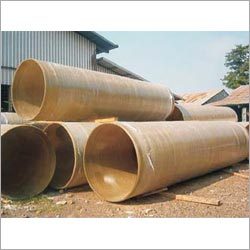
FRP Pipes
Price Range 50000.00 - 500000.00 INR / Meter
Minimum Order Quantity : 1000 Meters
Product Type : Other, FRP Pipe
Shape : Round
Tensile Strength : 100 MPa
Bend Radius : Standard: 30 x pipe diameter
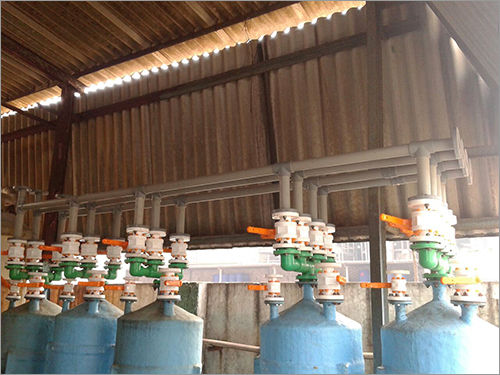
PP Pipe Header
Price Range 50000.00 - 500000.00 INR / Piece
Minimum Order Quantity : 1 Piece
Product Type : Other
Shape : Round

"We are mainly dealing in Mumbai & Maharashtra"
 Send Inquiry
Our Products
- Industrial Storage Tanks
- wire pickling plant
- Scrubber System
- Industrial Air Blowers
- DYNAMIC BALANCING AND ENGINEERING WORKS
- Plastic Pipes
- Laboratory Equipments
- Dynamic Balancing
- PP FRP Reactor
- Fume Hood
- PP Pipe Line Fabrication
- Chemical Scrubbers
- Plastic Fittings
- PP Pumps
- Plastic Piping
- Industrial Chimneys
- HDPE Pipe
- Impeller Dynamic Balancing
- Machine Shaft
- Venturi Pump
- MS Ducts
- Blower Balancing Services
- Industrial Centrifuge Machine


Factory : W-66/B, Lupin Chemical Road, M.I.D.C. Tarapur, Dist.,Boisar - 401506, Maharashtra, India

Mr. Shailesh Gharat
Mobile :08045803355
Mr Shailesh S Gharat
(Proprietor)
Mobile :08045803355
 Send Inquiry
 Send SMS
Developed and Managed by Infocom Network Private Limited.
