Call us now :08045803355
 Send Inquiry
 Send Inquiry
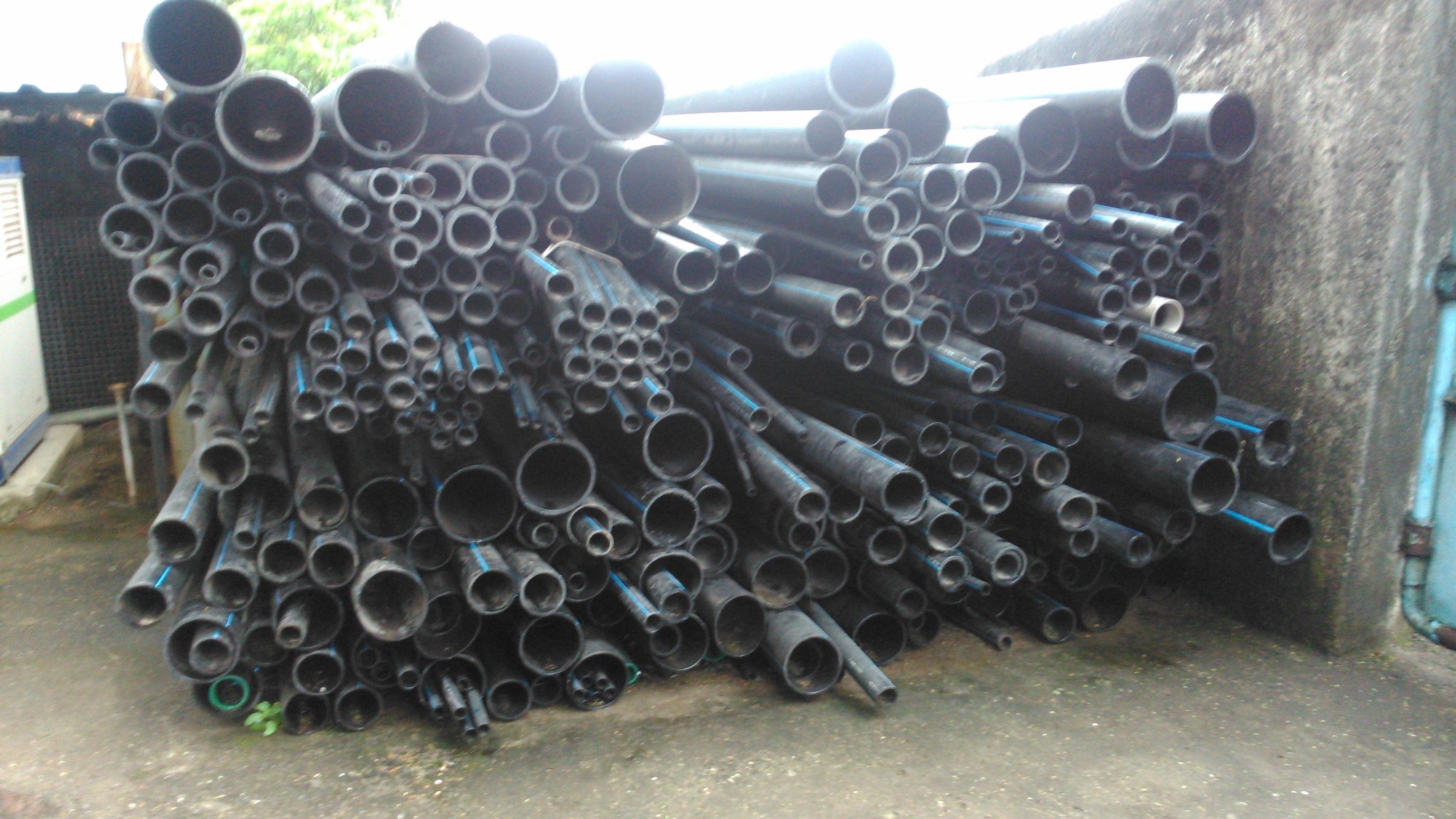
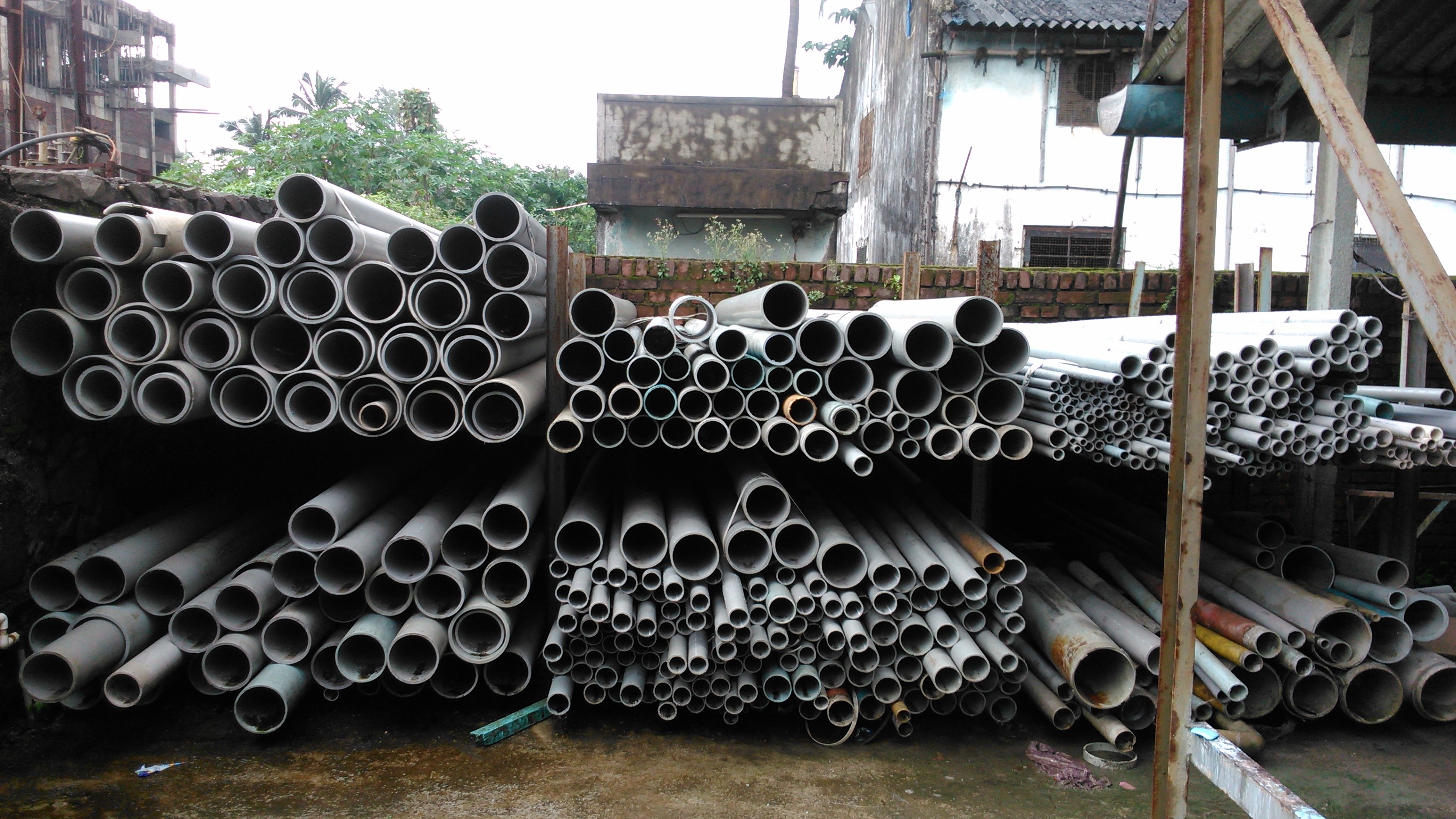
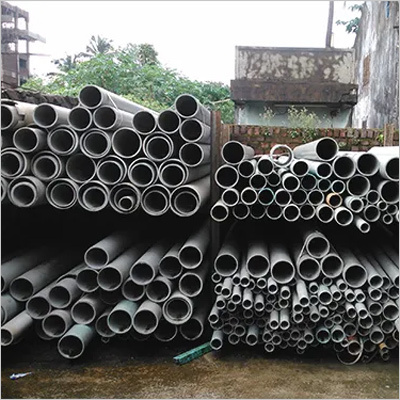
HDPE/PP/PPRC/UPVC/PVDF PIPES & Fitting
MOQ : 1000 Pieces
HDPE/PP/PPRC/UPVC/PVDF PIPES & Fitting Specification
- Thread Type
- BSP, NPT (where applicable)
- Sealing Type
- Rubber Ring/Push fit/Heat fusion/Threaded
- Tensile Strength
- 15-35 MPa (depending on material and grade)
- Diameter
- 16 mm to 1000 mm
- Yield Strength
- 12-28 MPa (varies by compound)
- Bend Radius
- Minimum 20 x pipe OD (HDPE, PP)
- Connection Type
- Butt Weld, Electro Fusion, Socket Fusion, Flanged, Threaded
- Flexibility
- High (HDPE & PP); Moderate (UPVC, PVDF)
- Coating Type
- No external coating; Natural polymer surface finish
- Temperature Range
- -40C to +80C (depending on material)
- Tolerance
- 1% on diameter and thickness
- Product Type
- HDPE/PP/PPRC/UPVC/PVDF Pipes & Fittings
- Material
- HDPE, PP, PPRC, UPVC, PVDF
- Connection
- Socket, Butt Weld, Threaded, Flanged, Electrofusion
- Shape
- Round and Custom
- Standard
- IS 4984, DIN, ASTM, ISO, EN standards as required
- Surface Treatment
- Smooth / Plain
- Outer Diameter
- From 16 mm up to 1000 mm (varies by material)
- Section Shape
- Cylindrical / Custom as per design
- Length
- 6 m, 12 m or custom cut lengths
- Thickness
- From 1.5 mm to 60 mm
- Color
- Black, Grey, White, Green, Blue (as per standard/specification)
- Usage
- Water Supply, Chemical Transport, Industrial Piping, Irrigation, Gas Distribution
- Rated Pressure
- PN6, PN8, PN10, PN12.5, PN16, PN20 (Material & Diameter dependent)
- Material Grade
- PE63, PE80, PE100, RAL certified grades, Food Grade options
- Application
- Water distribution, Sewage, Industrial chemicals, Compressed air, etc.
- Weight
- Lightweight as compared to metallic piping
- Leak Proof
- Yes, with appropriate fitting and joining
- Fire Resistance
- Non-supportive (Self-extinguishing for UPVC/PVDF)
- Chemical Resistance
- Excellent for majority of acids, bases, and salts
- Eco-friendly
- Recyclable, low carbon footprint in production process
- Density
- 0.91-0.96 g/cm³ depending on polymer
- Hydraulic Smoothness
- High, minimizes frictional losses
- Resistance to Biological Growth
- Excellent, prevents algae/biofilm
- Corrosion Resistance
- Resistant to corrosion from a wide range of chemicals and water
- Storage Life
- Up to 50 years (under standard application and conditions)
- Joining Methods
- Heat fusion, Mechanical fittings, Solvent cement (UPVC)
- Maintenance
- Low maintenance, long service lifespan
- Installation
- Simple installation with minimal equipment
- Custom Fabrication
- Available for special shapes/fittings as per order
- Toxicity
- Non-toxic, suitable for potable water and food distribution
- Impact Resistance
- Very High (HDPE/PP)
- Pressure Classes Available
- From PN2.5 up to PN25, depending on pipe type/material
- Internal Surface Finish
- Very smooth, minimizes scale formation
- UV Resistance
- Yes (with carbon black content for HDPE/PP)
HDPE/PP/PPRC/UPVC/PVDF PIPES & Fitting Trade Information
- Minimum Order Quantity
- 1000 Pieces
- Supply Ability
- 50 Pieces Per Week
- Delivery Time
- 5-7 Days
- Sample Available
- Yes
- Sample Policy
- Free samples are available
- Packaging Details
- polythene packs
- Main Domestic Market
- All India
About HDPE/PP/PPRC/UPVC/PVDF PIPES & Fitting
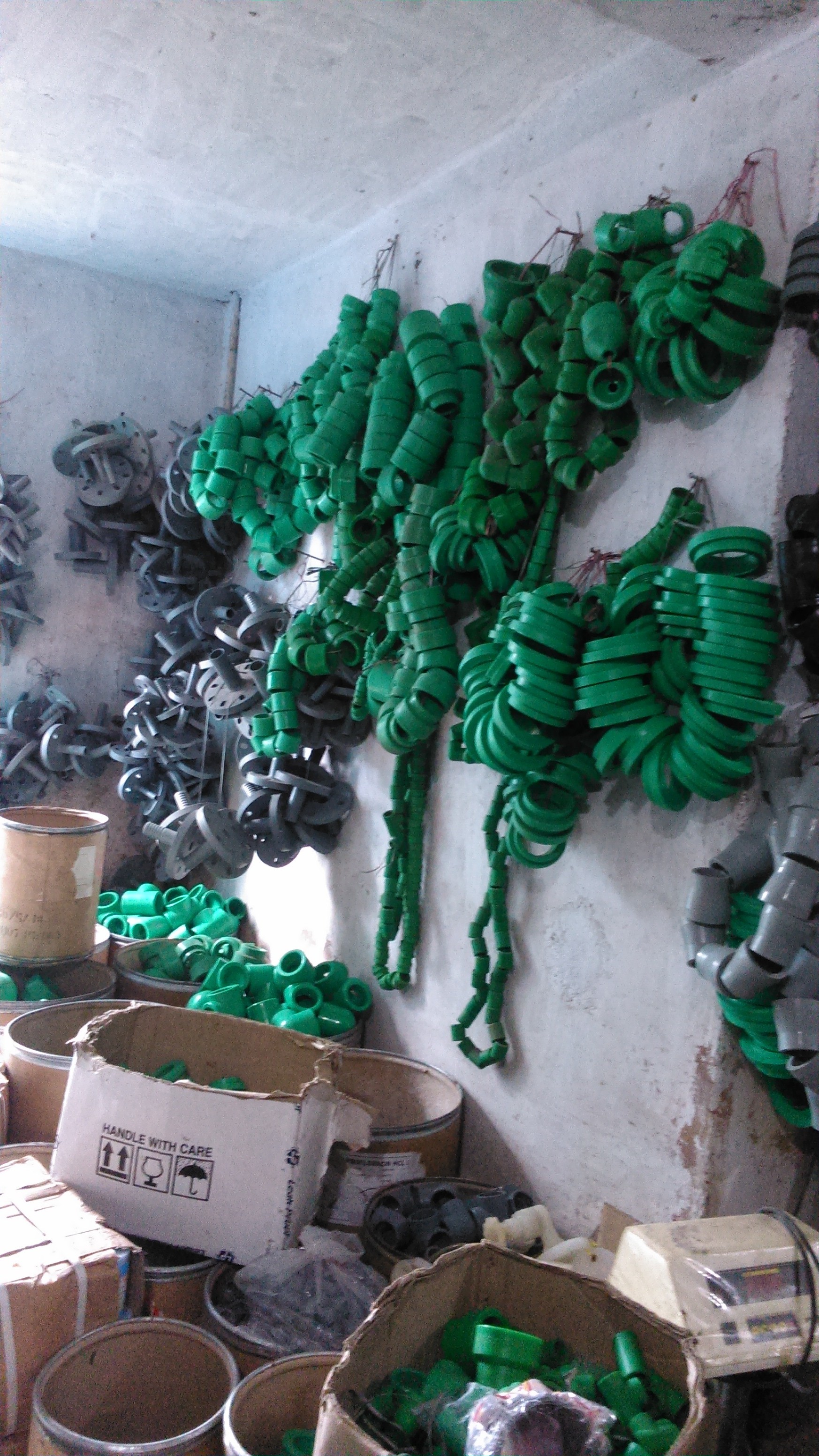
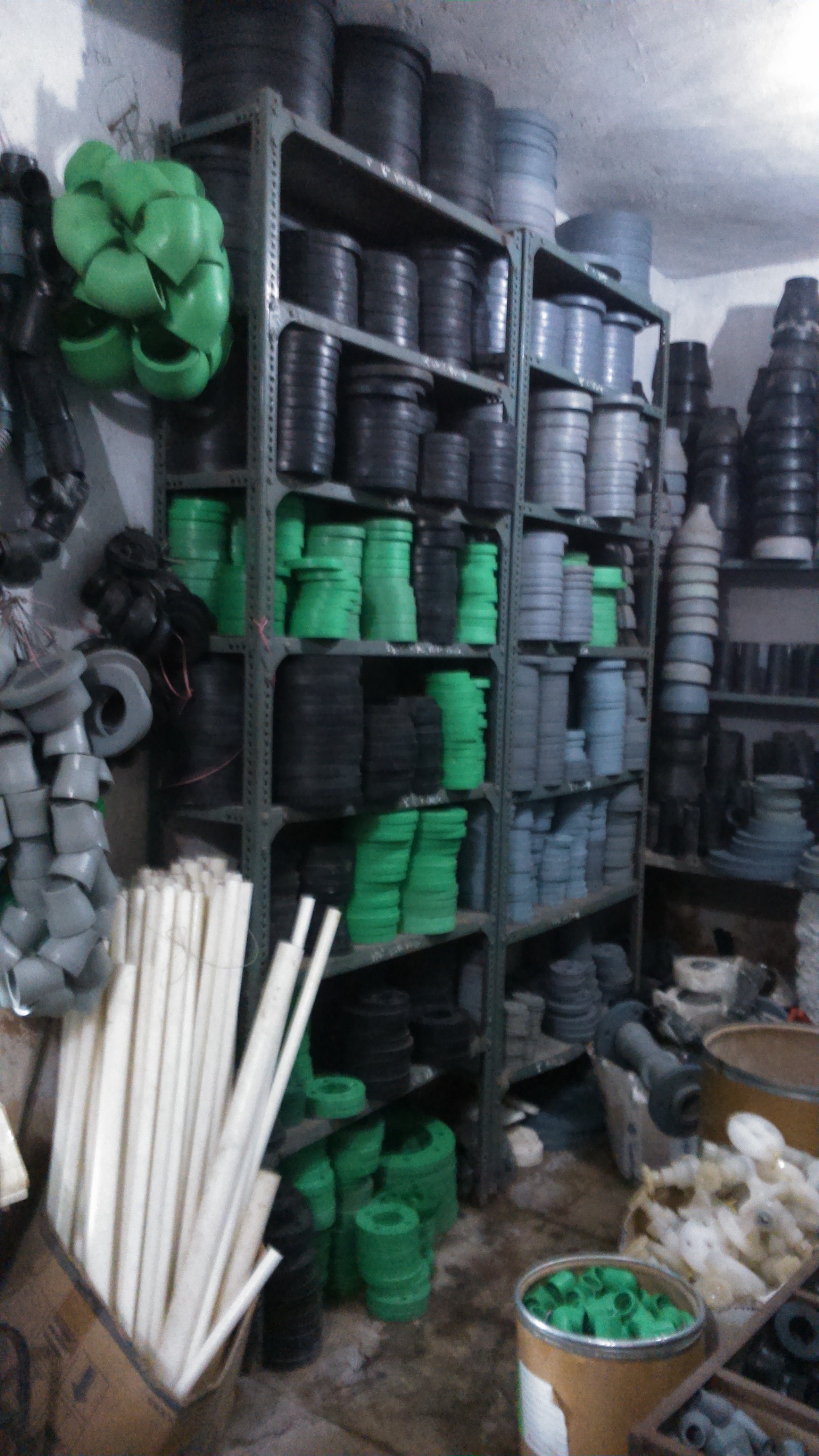
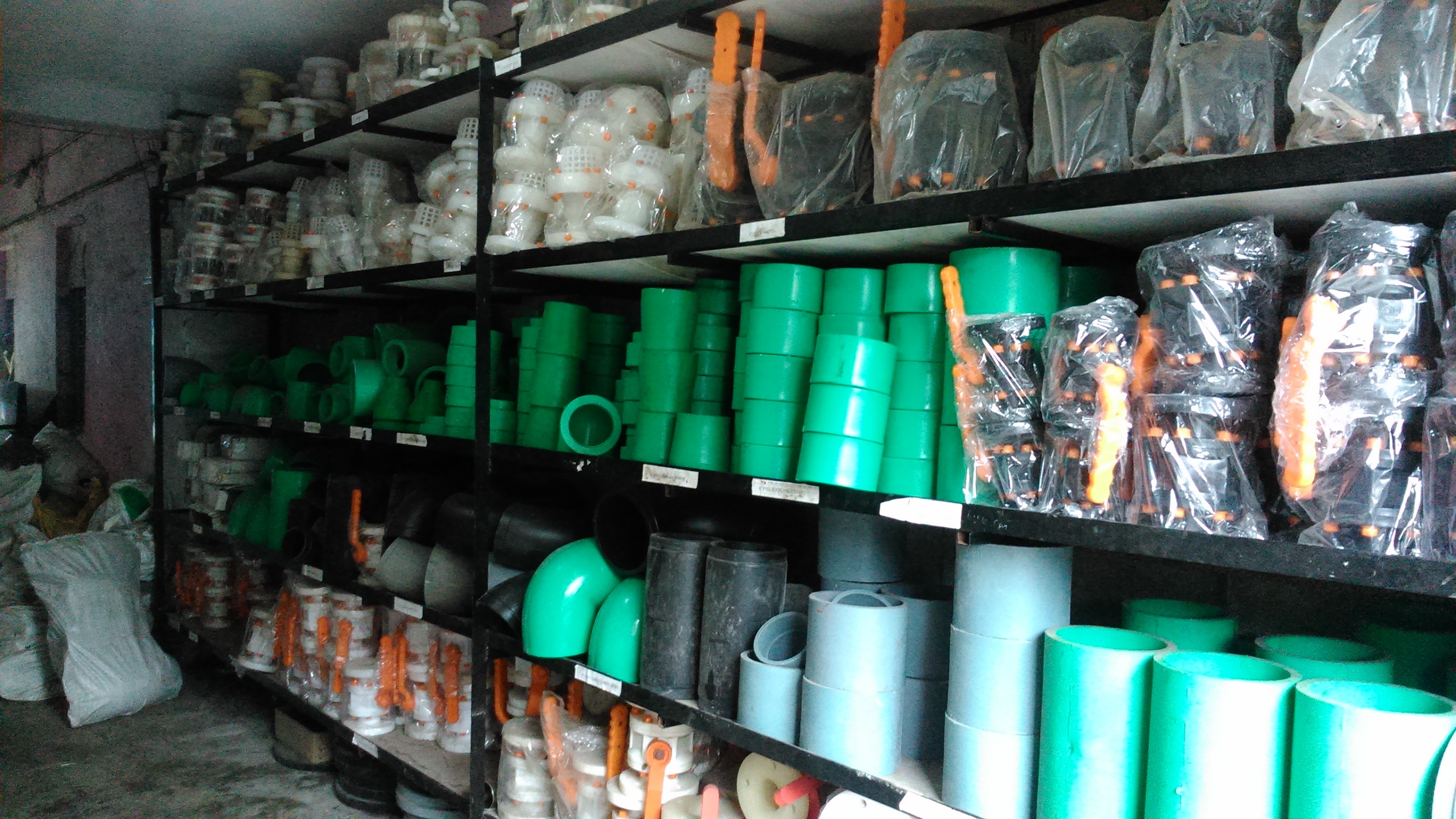
HDPE Fitting
Owing to our expertise in this domain, we are involved in offering a broad collection of HDPE Fitting that can be utilized in large farm and high pressure sprinkler system for conveyance of water or plantation. It is manufactured from high density polyethylene at our well-equipped production unit in conformity to the international standards of quality. Our offered HDPE Fitting is best suited for concatenating multiple pipe lines and provides a junction of transmission. Moreover, we are offering this fitting to customers at highly affordable prices.
'' We Are Mainly Dealing In Mumbai & Maharashtra ''
Superior Resistance and Longevity
Thanks to advanced polymer technology, our pipes and fittings exhibit exceptional resistance to impact, corrosion, chemicals, and biological growth. Their smooth, non-porous internal surfaces minimize scale formation and frictional losses, contributing to extended system efficiency. With a potential service life of up to 50 years under standard conditions, reliability is assured.
Flexible Application and Easy Installation
Available in sizes from 16 mm to 1000 mm and compatible with various connection types (butt weld, electrofusion, socket fusion, flanged, and threaded), these pipes adapt to diverse installation and operating needs. Simple installation requires minimal equipment and expertise, streamlining construction and repairs.
Compliant, Eco-Conscious, and Customizable
Meeting IS, DIN, ASTM, ISO, and EN standards, our products are suitable for potable water and food distribution, endorsed by RAL-certified grades. Their recyclable nature and low carbon footprint benefit the environment, while custom fabrication services cater to specialized projects or non-standard specifications.
FAQs of HDPE/PP/PPRC/UPVC/PVDF PIPES & Fitting:
Q: How do I select the right material (HDPE, PP, PPRC, UPVC, PVDF) for my application?
A: Selection should be guided by your applications temperature range, chemical compatibility, pressure rating, and specific requirements such as UV resistance or flexibility. For chemical transport and high temperatures, PVDF is ideal, while HDPE suits water supply and sewage due to its flexibility and impact resistance.Q: What joining methods are available for these piping systems?
A: Joining methods include heat fusion (butt, socket, or electrofusion), mechanical fittings, solvent cement (UPVC), and threaded or flanged connections. The appropriate method depends on the pipe material, application pressure, and installation environment.Q: When and where can these pipes be used for underground or aboveground applications?
A: These pipes are suitable for both underground and aboveground installations. For outdoor use, HDPE and PP pipes with carbon black provide excellent UV resistance. In corrosive environments or where fire resistance is vital, UPVC and PVDF are preferred.Q: What benefits do these pipes offer compared to traditional metallic piping?
A: They are much lighter, corrosion-resistant, non-toxic, and offer high hydraulic smoothness, resulting in easy installation, low maintenance, and reduced frictional losses. Additionally, their long service life and recyclability contribute to lower lifecycle costs and environmental impact.Q: How does the leak-proof property of these pipes ensure system integrity?
A: With properly executed heat fusion joints or suitable mechanical fittings, these piping systems achieve a leak-proof seal, preventing water and chemical loss and ensuring the reliability of critical fluid transport applications.Q: What maintenance is needed to keep these pipes performing efficiently?
A: Minimal maintenance is required. The corrosion resistance, smooth surfaces, and biological growth prevention features significantly reduce routine inspections and cleaning, prolonging service intervals and lowering operational costs.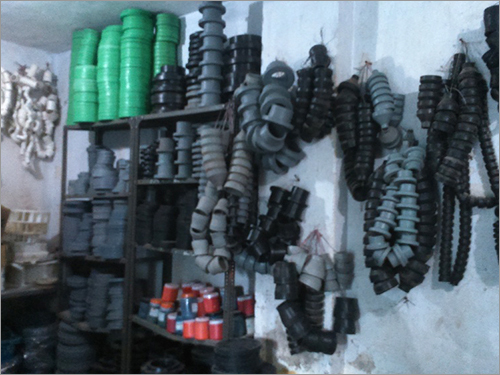
Tell us about your requirement

Price:
Quantity
Select Unit
- 50
- 100
- 200
- 250
- 500
- 1000+
Additional detail
Mobile number
Email

More Products in Plastic Fittings Category
PPRC Pipe Fitting
Price Range 50000.00 - 500000.00 INR / Piece
Minimum Order Quantity : 1000 Pieces
Length : Varies by fitting type
Rated Pressure : PN 20
Tolerance : 0.1 mm
Standard : Other, DIN 8077/8088

PP Fitting
Price Range 50000.00 - 500000.00 INR / Piece
Minimum Order Quantity : 1000 Pieces
Length : 120 mm
Rated Pressure : 10 Bar
Tolerance : 0.1 mm
Standard : Other, ISO 4427

"We are mainly dealing in Mumbai & Maharashtra"
 Send Inquiry
Our Products
- Industrial Storage Tanks
- wire pickling plant
- Scrubber System
- Industrial Air Blowers
- DYNAMIC BALANCING AND ENGINEERING WORKS
- Plastic Pipes
- Laboratory Equipments
- Dynamic Balancing
- PP FRP Reactor
- Fume Hood
- PP Pipe Line Fabrication
- Chemical Scrubbers
- Plastic Fittings
- PP Pumps
- Plastic Piping
- Industrial Chimneys
- HDPE Pipe
- Impeller Dynamic Balancing
- Machine Shaft
- Venturi Pump
- MS Ducts
- Blower Balancing Services
- Industrial Centrifuge Machine


Factory : W-66/B, Lupin Chemical Road, M.I.D.C. Tarapur, Dist.,Boisar - 401506, Maharashtra, India

Mr. Shailesh Gharat
Mobile :08045803355
Mr Shailesh S Gharat
(Proprietor)
Mobile :08045803355
 Send Inquiry
 Send SMS
Developed and Managed by Infocom Network Private Limited.
