
Call us now :08045803355
 Send Inquiry
 Send Inquiry
Dynamic Center Balancing Machine
MOQ : 1 , , Piece
Dynamic Center Balancing Machine Specification
- Orientation
- Horizontal
- Temperature
- 0~45C Operating
- Usage & Applications
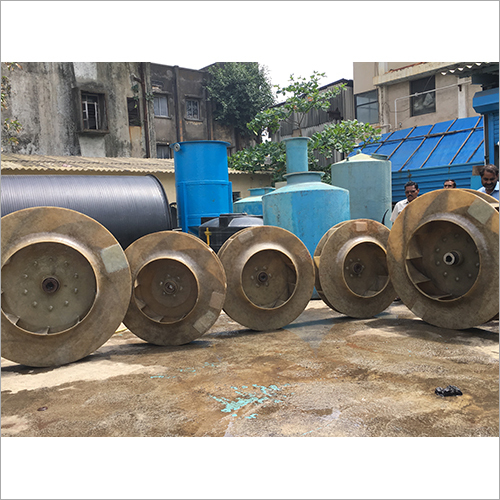
- Rotor, Shaft, Impeller, Fan Balancing
- Display Type
- Digital
- Power Source
- Electric
- Automation Grade
- Semi-Automatic
- Sensor Type
- Piezoelectric Vibration Sensor
- Measurement
- Dynamic Balancing (Center)
- Efficiency
- High Efficiency
- Instruments Type
- Industrial Machine
- Product Type
- Dynamic Center Balancing Machine
- Material
- Mild Steel
- Cooling System
- Air Cooled
- Noise Level
- 70 dB
- Reactor Thickness
- 8 mm
- Processing Time
- Adjustable
- Capacity
- Up to 200 kg
- Voltage
- 380V / 50Hz
- Weight
- 1200 kg
- Dimension (L*W*H)
- 2300 x 1000 x 1450 mm
- Surface
- Powder Coated
- Level Adjustment
- Leveling Screws Included
- Calibration
- Automatic Calibration
- Accuracy
- 1 g.mm/kg
- Drive Type
- Belt Drive
- Phase
- Three Phase
- Control System
- PLC Controlled
- Max Workpiece Diameter
- 1200 mm
- Balancing Method
- Hard Bearing
- Data Output
- USB/RS232 Interface
- Operation Mode
- Manual/Automatic
- Input Power
- 2.5 kW
- Clamping Type
- Universal Fixtures
- Balancing Speed
- 400-3000 rpm
- Mounting Type
- Floor Mounted
Dynamic Center Balancing Machine Trade Information
- Minimum Order Quantity
- 1 , , Piece
- Supply Ability
- 50 Pieces Per Week
- Delivery Time
- 5-7 Days
About Dynamic Center Balancing Machine
A dynamic center balancing machine is a device used in industrial settings to balance rotating parts and equipment. This type of machine uses a combination of dynamic and static balancing techniques to detect and correct any imbalance in a rotating part or equipment. The machine typically consists of a control unit, a balancing head, and a rotating table. The control unit is used to input the desired balance parameters, while the balancing head is used to measure the imbalance in the rotating part. The rotating table is used to spin the part or equipment so that the imbalance can be detected and corrected.Advanced Balancing Precision
Achieve exceptional balancing accuracy with the Dynamic Center Balancing Machine, boasting a precision of 1 g.mm/kg. The hard-bearing method and piezoelectric vibration sensors ensure reliable results for demanding industrial applications. Universal fixtures accommodate diverse workpieces, making this machine suitable for rotors, shafts, impellers, and fans alike.
Robust Industrial Design
Constructed from durable powder-coated mild steel, this balancing machine is floor-mounted and features an 8 mm reactor thickness for enhanced stability. Air-cooled operation, low noise of 70 dB, and high efficiency contribute to dependable performance in challenging environments. Manual and automatic operation modes provide operational flexibility for various user requirements.
User-Friendly Control System
Easy-to-use PLC-controlled interface and digital display streamline operation, offering automatic calibration and adjustable processing time. Effortless data management with USB and RS232 outputs, combined with straightforward level adjustment via leveling screws, ensures accuracy and convenience for both operators and quality assurance teams.
FAQs of Dynamic Center Balancing Machine:
Q: How does the Dynamic Center Balancing Machine enhance balancing precision for industrial components?
A: The machine uses a hard-bearing balancing method along with piezoelectric vibration sensors and PLC-controlled calibration. Its advanced technology achieves balancing accuracy of 1 g.mm/kg, ensuring minimal vibration and reliable balance for rotors, shafts, impellers, and fans.Q: What is the maximum workpiece size and capacity the balancing machine can handle?
A: It can accommodate workpieces with a diameter up to 1200 mm and a weight of up to 200 kg, making it suitable for a wide variety of industrial applications, such as automotive, HVAC, and manufacturing sectors.Q: When should automatic calibration be utilized during balancing operations?
A: Automatic calibration is recommended before starting a new batch or after a significant change in workpiece type. It ensures ongoing accuracy and compensates for environmental or equipment variations.Q: Where can data from the balancing process be exported for analysis or record-keeping?
A: Data output is available via USB and RS232 interfaces, enabling easy transfer to computers or external storage devices for documentation, analysis, or quality assurance purposes.Q: What is the operation process for balancing a workpiece using this machine?
A: Mount the workpiece on the universal fixtures, select either manual or automatic mode via the PLC interface, calibrate automatically, and adjust the speed (400-3000 rpm) as required. The machine measures vibration, calculates imbalance, and guides correction steps until the required accuracy is achieved.Q: How does the machine ensure safety and efficiency during operation?
A: The air-cooled design, powder-coated mild steel construction, low noise levels ( 70 dB), and high efficiency provide a safe working environment. Leveling screws assist in stability and orientation, while the digital control system minimizes human error.Q: What are the primary benefits of using the Dynamic Center Balancing Machine for your application?
A: Benefits include high precision, automatic calibration, flexible operation modes, robust construction, noise reduction, and versatile application for various rotating components. These features improve product quality, extend equipment life, and streamline industrial workflows.
Tell us about your requirement

Price:
Quantity
Select Unit
- 50
- 100
- 200
- 250
- 500
- 1000+
Additional detail
Mobile number
Email

More Products in Dynamic Balancing Category
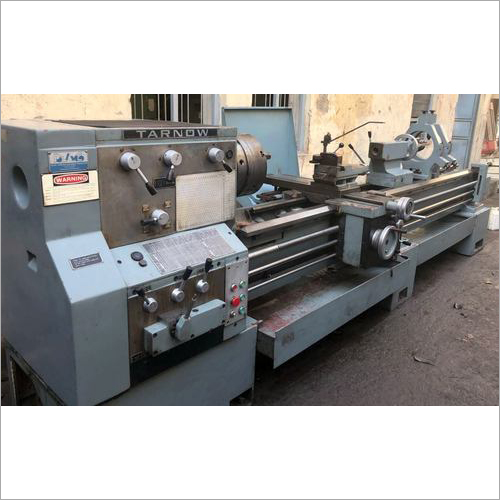
Leth Work
Price Range 50000.00 - 500000.00 INR / Piece
Minimum Order Quantity : 1 , , Piece
Processing Time : 8 hours
Dimension (L*W*H) : 2450 x 1800 x 1850 mm
Automation Grade : SemiAutomatic
Power Source : Electric
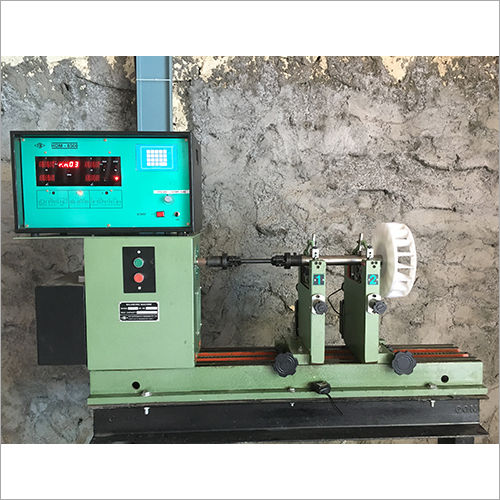
Center Balancing Machine
Price Range 50000.00 - 500000.00 INR / Piece
Minimum Order Quantity : 1 , , Piece
Processing Time : 3045 seconds per cycle
Dimension (L*W*H) : 1800 x 1050 x 1300 mm
Automation Grade : Automatic
Power Source : Electric
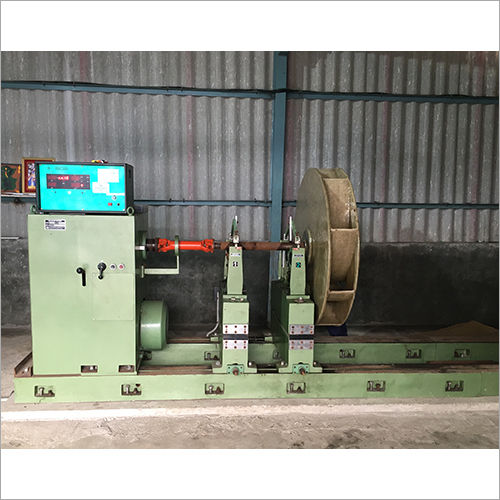
Dynamic Balancing Machine
Price Range 50000.00 - 500000.00 INR / Piece
Minimum Order Quantity : 1 , , Piece
Processing Time : Configurable
Dimension (L*W*H) : 2100 x 700 x 1100 mm
Automation Grade : SemiAutomatic
Power Source : Electric
FRV Moulded Ampiler
Price Range 50000.00 - 500000.00 INR / Piece
Minimum Order Quantity : 1 , , Piece
Processing Time : Instantaneous (realtime operation)
Dimension (L*W*H) : 220 mm x 110 mm x 60 mm
Automation Grade : Manual to SemiAutomatic
Power Source : AC Mains

"We are mainly dealing in Mumbai & Maharashtra"
 Send Inquiry
Our Products
- Industrial Storage Tanks
- wire pickling plant
- Scrubber System
- Industrial Air Blowers
- DYNAMIC BALANCING AND ENGINEERING WORKS
- Plastic Pipes
- Laboratory Equipments
- Dynamic Balancing
- PP FRP Reactor
- Fume Hood
- PP Pipe Line Fabrication
- Chemical Scrubbers
- Plastic Fittings
- PP Pumps
- Plastic Piping
- Industrial Chimneys
- HDPE Pipe
- Impeller Dynamic Balancing
- Machine Shaft
- Venturi Pump
- MS Ducts
- Blower Balancing Services
- Industrial Centrifuge Machine


Factory : W-66/B, Lupin Chemical Road, M.I.D.C. Tarapur, Dist.,Boisar - 401506, Maharashtra, India

Mr. Shailesh Gharat
Mobile :08045803355
Mr Shailesh S Gharat
(Proprietor)
Mobile :08045803355
 Send Inquiry
 Send SMS
Developed and Managed by Infocom Network Private Limited.
